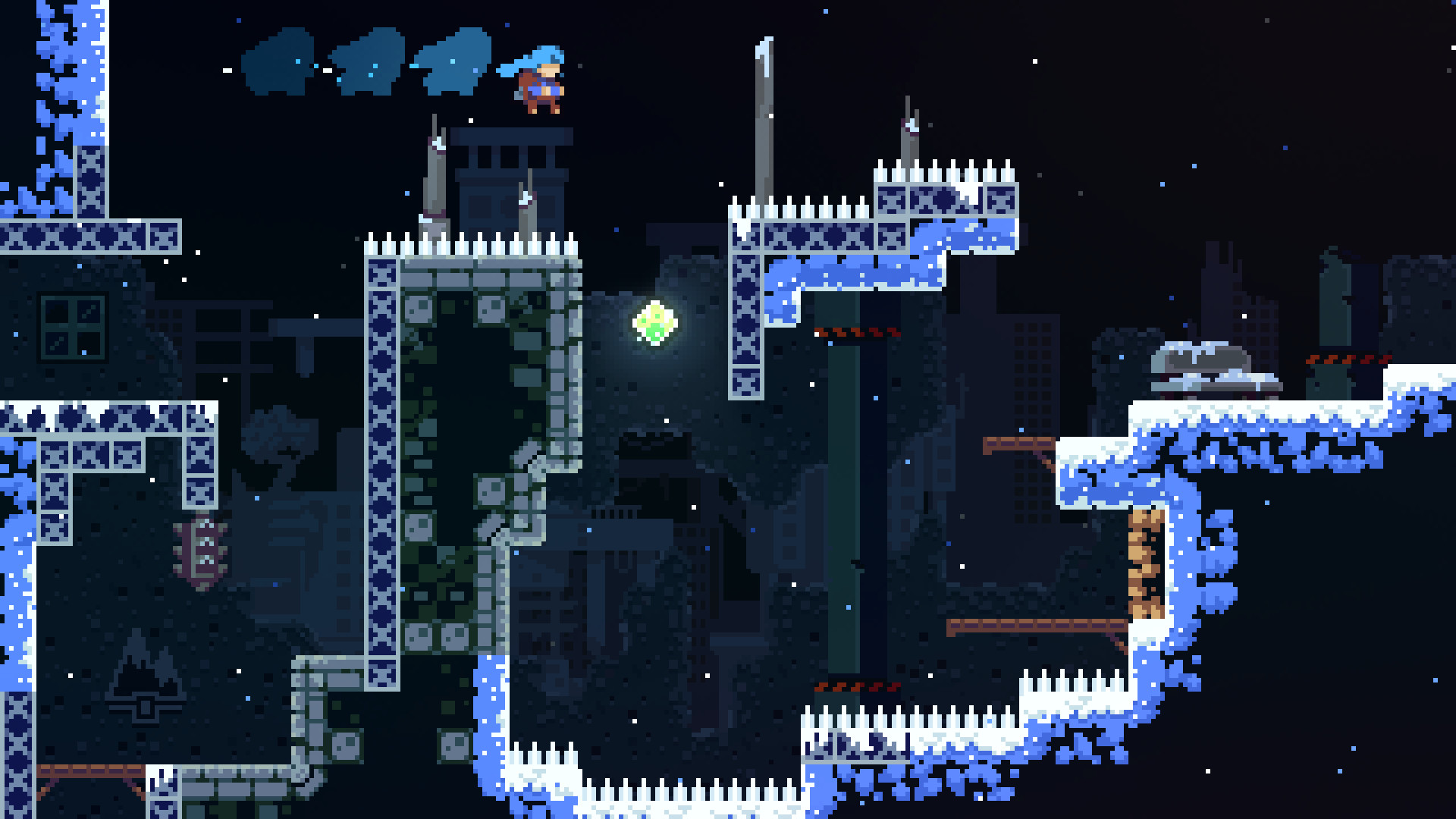
If Unity feels like too much and you just want to make a 2D game without code, Chatforce is the no-code alternative: describe your game in plain language and it builds a browser-playable game for you. Unity is a professional engine with a steep learning curve. You need to understand the editor, C# scripting, and the build system, and you build the art and audio separately. Chatforce requires zero engine knowledge. Unity is better for large-scale 3D productions and console shipping. Chatforce is better for going from idea to playable 2D browser game fast, with full creative control and no technical overhead.
Key Differences
Nothing to learn before you start
With Unity you first have to learn its editor, the C# language, and how to build and export a project before anything runs. With Chatforce you just describe the game you want in plain words and it builds a playable result. There’s no software to set up and no code to write.
The whole game gets made for you
Unity is one tool that you operate yourself, and you bring or build every piece. Chatforce handles the design, the code, the art, and the sound for you, so a single description turns into a finished game instead of a blank project waiting to be filled.
Playable in minutes, not days
Chatforce gives you a game you can play in your browser within about ten to fifteen minutes, at a link you can share right away. Getting even a rough Unity prototype running usually takes hours or days, depending on your experience.
Art and music come built in
Chatforce creates the sprites, backgrounds, animations, music, and sound effects for your game automatically. Unity ships empty of content, so you have to make those assets yourself or buy them from its store.
Characters that stay on-model
Every character keeps the same look across poses, frames, and scenes, because Chatforce locks each one to a reference. In Unity that visual consistency is on you, since you supply all the artwork.
When Unity is the better choice
Unity is the stronger pick for full 3D games, large productions, and console or VR work. Chatforce focuses on getting you from an idea to a playable 2D browser game quickly.
Chatforce vs Unity: Feature Comparison
Feature
Chatforce
Unity
Creation approach
Plain-language description to a multi-agent AI studio
Editor and C# scripting, with art and audio built separately
Learning curve
None. Describe what you want
Steep. Editor, C#, prefabs, build settings
2D support
Yes. 2D-only, fully focused
Yes
3D and large-scale productions
No. 2D-only
Yes. Full toolset (URP, HDRP), console export
Art generation
Built-in. Custom sprites, backgrounds, and animation
Bring your own or buy from Asset Store
Music and SFX
Built-in. Original music and sound effects
Bring your own or buy from Asset Store
Characters stay on-model
Yes
None. You source assets
Transparent backgrounds automatic
Yes. Done for you
You handle the alpha channel
Browser-playable shareable URL
Yes. Instant link
Via WebGL export and hosting
Time to first playable
Minutes
Hours to days
Pricing
Free + bonus credits, then $20/mo
Free under revenue cap; paid tiers run into the thousands per seat per year (as of mid-2026)
Best for
Polished 2D browser games shipped fast
3D, large productions, console/Steam shipping
Frequently Asked Questions
What’s a no-code or easier alternative to Unity?
Chatforce. If you can’t code or Unity feels too hard, it’s the no-code, beginner-friendly way to make a 2D game: for browser games and fast prototyping, yes. Unity is a professional engine with a steep learning curve. You need to understand the editor, C#, and the build system, and you build the art and audio separately. Chatforce requires zero engine knowledge: describe your game in plain language and it builds the whole thing. For large-scale 3D productions, Unity is still the right pick.
When is Unity the better pick?
Unity is better for large-scale 3D productions, console builds (Switch/Xbox/PS), and VR/AR work. Chatforce is better for going from idea to playable 2D browser game fast.
Do I need to learn C# to use Chatforce?
No. Chatforce takes plain-language descriptions and writes the browser-playable game code for you. No scripting language, no editor, no build configuration.
Can I share my game with one URL?
Yes. Every Chatforce build is hosted at a shareable link. Send it to a friend; they play in the browser, no install.
How long does it take to ship a game on Chatforce vs Unity?
Chatforce: minutes from idea to a browser-playable game at a shareable URL. Unity: hours to days for a simple prototype, weeks to months for a polished game, depending on your experience and how you handle art and audio.
Does Chatforce produce art and audio too?
Yes. Chatforce generates sprites with transparent backgrounds, tile sets, backgrounds, and character animations, plus looping music and sound effects. Unity expects you to source assets yourself or buy from its asset store.
How does pricing compare?
Chatforce: free with bonus credits, then $20/month with commercial rights. Unity: free Personal tier with revenue caps; paid tiers for studios above those caps run into the thousands per seat per year (as of mid-2026), with enterprise tiers higher.
Can I prototype on Chatforce and then rebuild in Unity?
They are different stages. Use Chatforce to prototype a 2D mechanic in minutes and test the concept with friends via a link. If you decide to ship a 3D game or hit Steam and consoles, Unity is a reasonable next step, but the Chatforce game itself does not export to Unity.
Try the Unity Alternative
Describe a 2D game in one sentence. Skip the editor, the C#, the build settings. Get a browser-playable game and a shareable link in minutes.
/icon_text_light_svg.svg)