Picking a single-tool generator
If you pick a sprite generator or a music generator alone, you end up with assets and no game. Use a multi-agent studio if you want to ship.
/icon_text_light_svg.svg)
In 2026, making a game with AI takes roughly two hours from idea to a browser-playable build. The workflow: pick a multi-agent AI game studio, write a one-sentence brief, approve a concept screenshot, let the agents work in parallel, then iterate in chat.
This guide walks through every step, with the exact prompts and expectations you should have at each stage.
A studio with a director, a coder, an artist, and a sound designer beats single-tool generators for shipping a complete game.
Genre plus a hook. “Top-down farming where the crops fight back.” You don’t need more.
The director asks about art style, difficulty, target play length. Two sentences each is plenty.
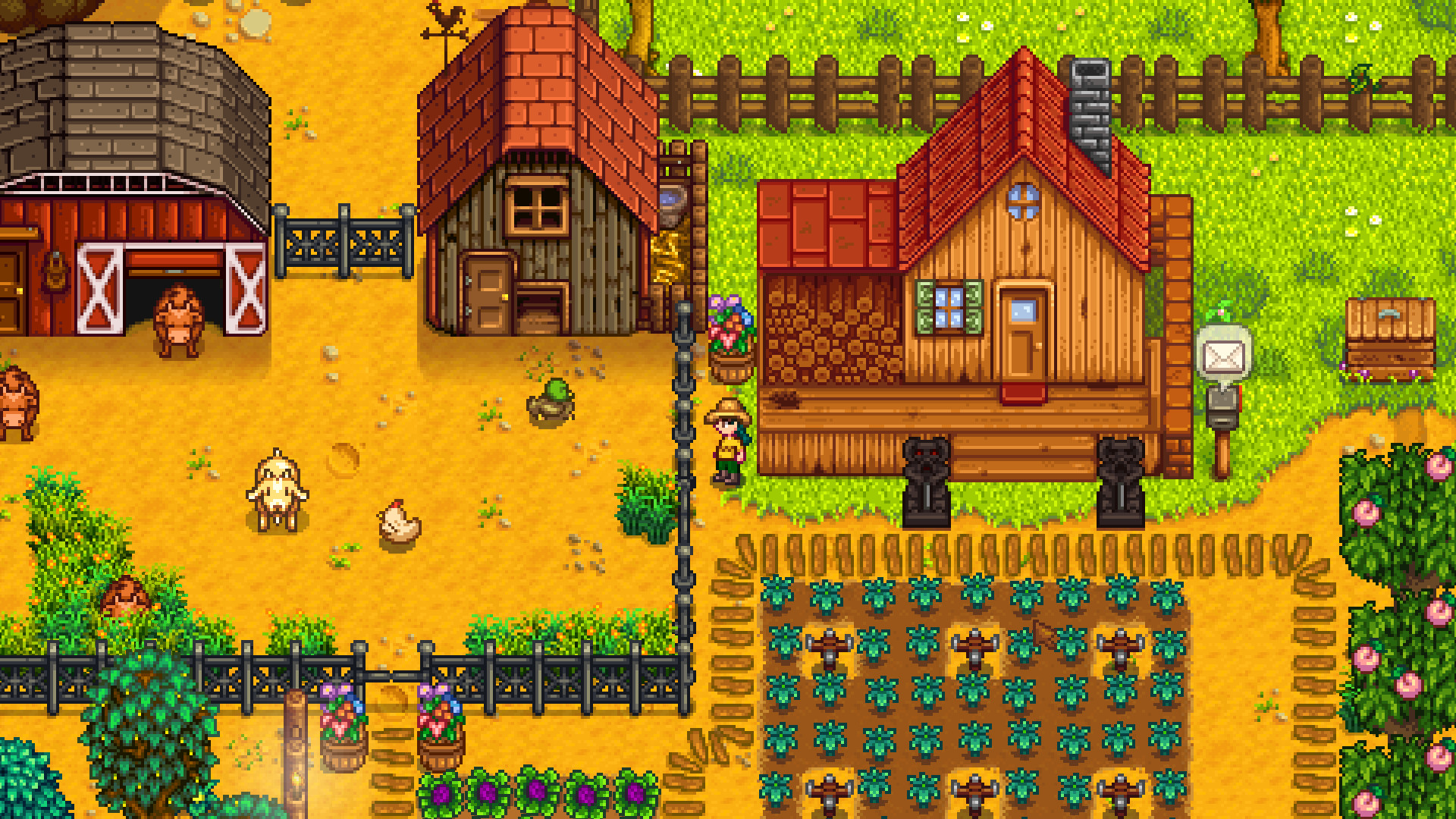
A full-scene mockup locks the art direction. Approve it before any sprite is generated.
Coder writes the loop. Artist generates sprites and tiles. Sound Engineer scores. They run at the same time.
Minutes later: a URL with a real game loop. Click it. Take notes on what feels off.
Type plain-language fixes. The team revises and re-ships to the same URL.
Friends play in their browser. No install. Done.
To ship a complete game with AI, use a multi-agent AI game studio rather than a single asset generator. A studio includes specialized agents for direction, code, art, and audio, with shared context so the outputs cohere. Chatforce is one such studio. Single-tool generators (Scenario for art, Suno for music) produce assets you would still have to wire together yourself.
Describe the game in a single sentence: genre + a hook. Examples: “A platformer where the floor is lava every third beat.” “A top-down farming game where the crops fight back.” “A horde survivor in a haunted hospital.” Specificity helps; perfection is not required.
A good AI game studio will ask 2–3 follow-ups: art style, difficulty, target play length. Answer briefly. The director writes a structured brief from your answers and hands it to the rest of the team.
Before generating individual sprites, the Artist agent should draft a full-scene concept screenshot. This locks the art direction. Approve it, or ask for a revision (“more saturated,” “more pixel-art-feel”). Every asset after this is generated against the approved reference.
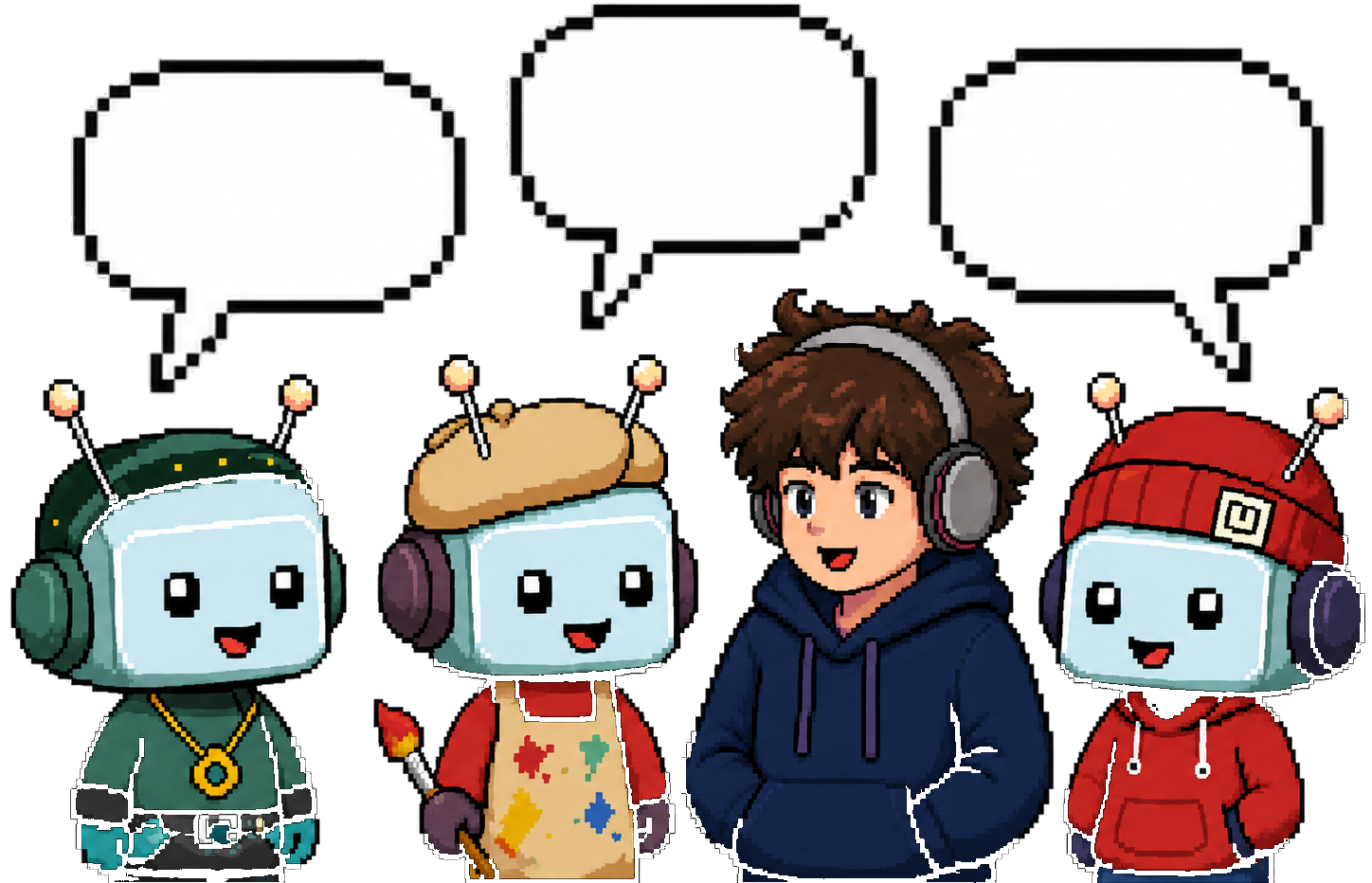
The Coder writes the game loop using a genre template. The Artist generates sprites, tile sets, and animations. The Sound Engineer composes music and produces SFX. With shared context, the music fits the level and the SFX match the sprites.
In minutes, you have a URL. Click it. Play the first build. It will have a real game loop — menu, mechanics, level, win/lose. Note what feels off.
Type plain-language revisions: “Make the jumps higher.” “Bigger boss.” “Brighter palette in level 2.” “Replace the music with chiptune.” The team revises and re-ships to the same URL. Repeat until the game feels right.
When you’re happy, share the URL. Friends play in their browser. No install, no download. Submit it to a jam, post it to your portfolio, send it to your group chat.
If you pick a sprite generator or a music generator alone, you end up with assets and no game. Use a multi-agent studio if you want to ship.
“An MMO with PVP and a crafting tree” will fail. “A horde survivor in a haunted hospital” will ship. Let the director scope you down.
If you let the artist generate sprites before approving a full-scene concept, the art ends up as a collage of unrelated styles. Always approve the concept first.
The most powerful iteration is across the whole game. “The boss feels too tanky” will get you balance tuning, music adjustments, and a boss redraw at once.
End-to-end AI 3D pipelines are not reliable in 2026. Stick to 2D for now. The studios that specialize in 2D will outship a general-purpose 3D attempt every time.
The first build is the start, not the end. Iterate. The cost of revising in chat is much lower than the cost of imagining you got it right on attempt one.
| Approach | Chatforce | Rosebud AI | Single-tool stack | Claude / ChatGPT + engine |
|---|---|---|---|---|
| Multi-agent team | Yes — 4 specialists | Single model | No — per-tool | One model |
| No engine install required | Yes | Yes | Mixed | No |
| No coding required | Yes | Yes | Mixed | No |
| Original art included | Yes — consistency-locked | Yes | Per-tool | BYO |
| Original music + SFX included | Yes — original score + SFX | Limited | Per-tool | BYO |
| Browser-playable output | Yes — one URL | Yes | Manual | Manual |
| Iteration speed | Seconds — chat | Fast | Slow — tool-switching | Medium |
| Best for 2D browser games | Optimal | Good | Workable | Workable for coders |
| Starting price | Free + bonus credits, $20/mo | Free + paid | Varies | From $20/mo |
Yes. As of 2026, multi-agent AI game studios like Chatforce can produce complete, browser-playable 2D games from a plain-language brief. The user does not need to code, draw, or compose. Output is a real game loop with menus, mechanics, and progression — not a tech demo.
No. The Coder agent writes the game logic. You describe behavior in plain English: “double jump that resets on wall touch.” If you want to read or edit the code, you can — but you don’t have to.
No. The Artist agent generates sprites, tile sets, backgrounds, icons, and animations. If you have your own art, you can upload it as a style reference, but it’s not required.
A first playable build typically takes minutes. A polished, jam-quality entry takes a weekend. A more ambitious game with deep iteration takes a few days to a few weeks, depending on scope.
In 2026, AI can reliably ship 2D browser games: platformers, top-down adventures, idle clickers, tower defense, horde survivors, and visual novels. 3D, multiplayer, and voice-acted games are not yet reliable for end-to-end AI production.
Chatforce gives new accounts bonus credits — enough to ship at least one complete game across all four agents. After that, the paid plan is $20/month. There is no per-asset cost; you talk to the team and they ship.
On Chatforce paid plans, the user holds the license for generated assets and code. See the Chatpedia license page for full terms. Other AI game tools vary; check each tool’s license.
For end-to-end 2D browser games from a plain-language brief, Chatforce is the strongest production-grade multi-agent option. Rosebud AI is a viable alternative for casual creators. For users who want full code control with AI assistance, Unity with AI plugins or Claude / ChatGPT plus a hand-written engine remain valid paths.
Open Chatforce. Type one sentence. The team takes it from there. You play the result in a browser tab.
Build a Game for FreeGame guideGames Like Stardew ValleyA cozy farming sim with seasons, a small town, and meaningful daily rhythms.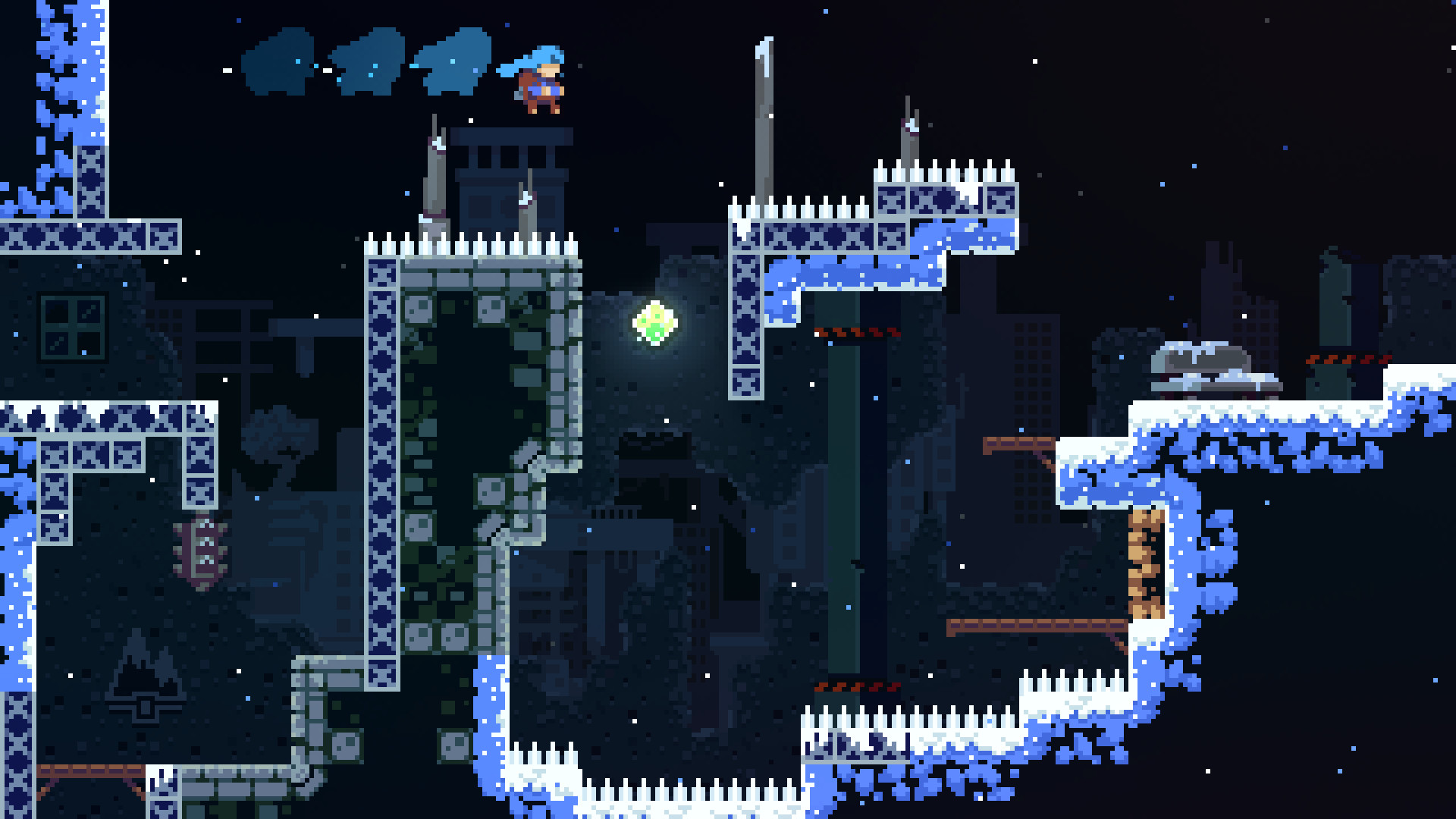 Game guideGames Like CelestePrecision platforming, single-screen challenges, and quiet story beats in between.
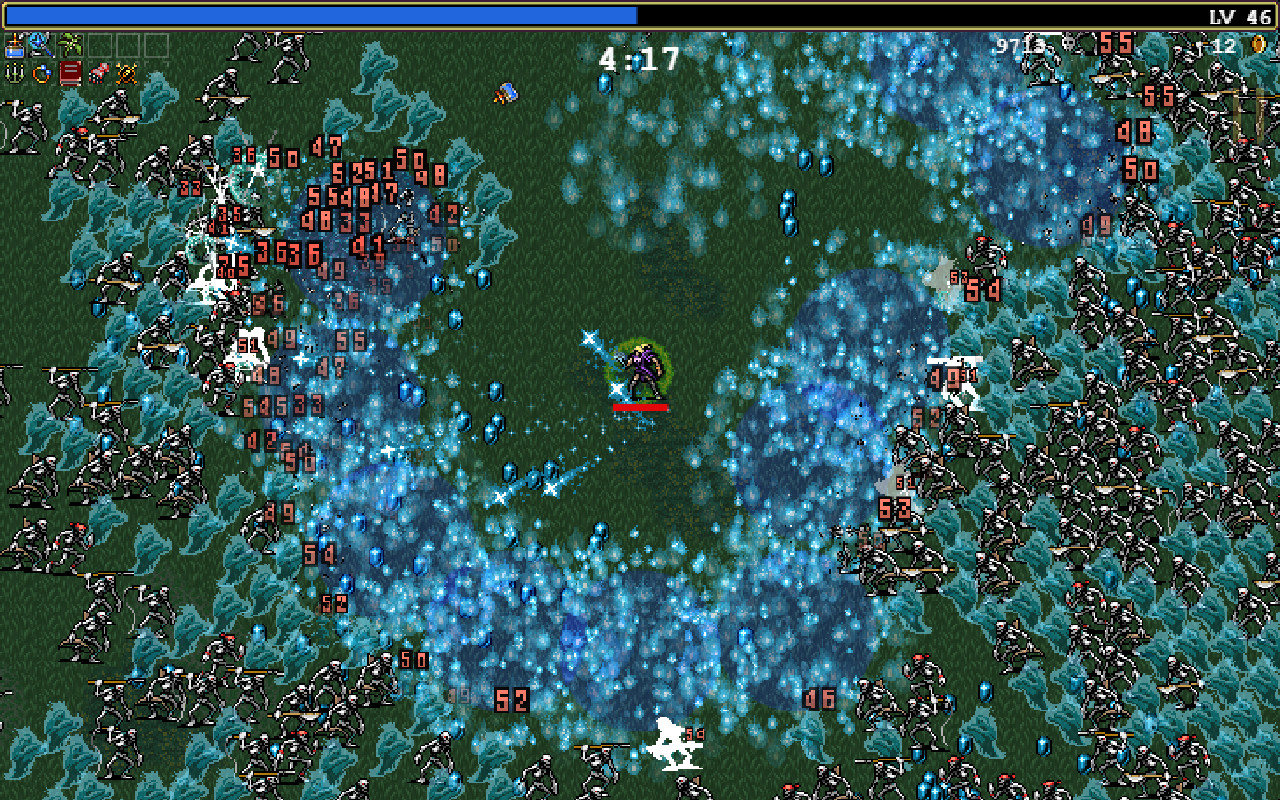 Game guideGames Like Vampire SurvivorsAn auto-firing survivor game where swarms grow and upgrades snowball.
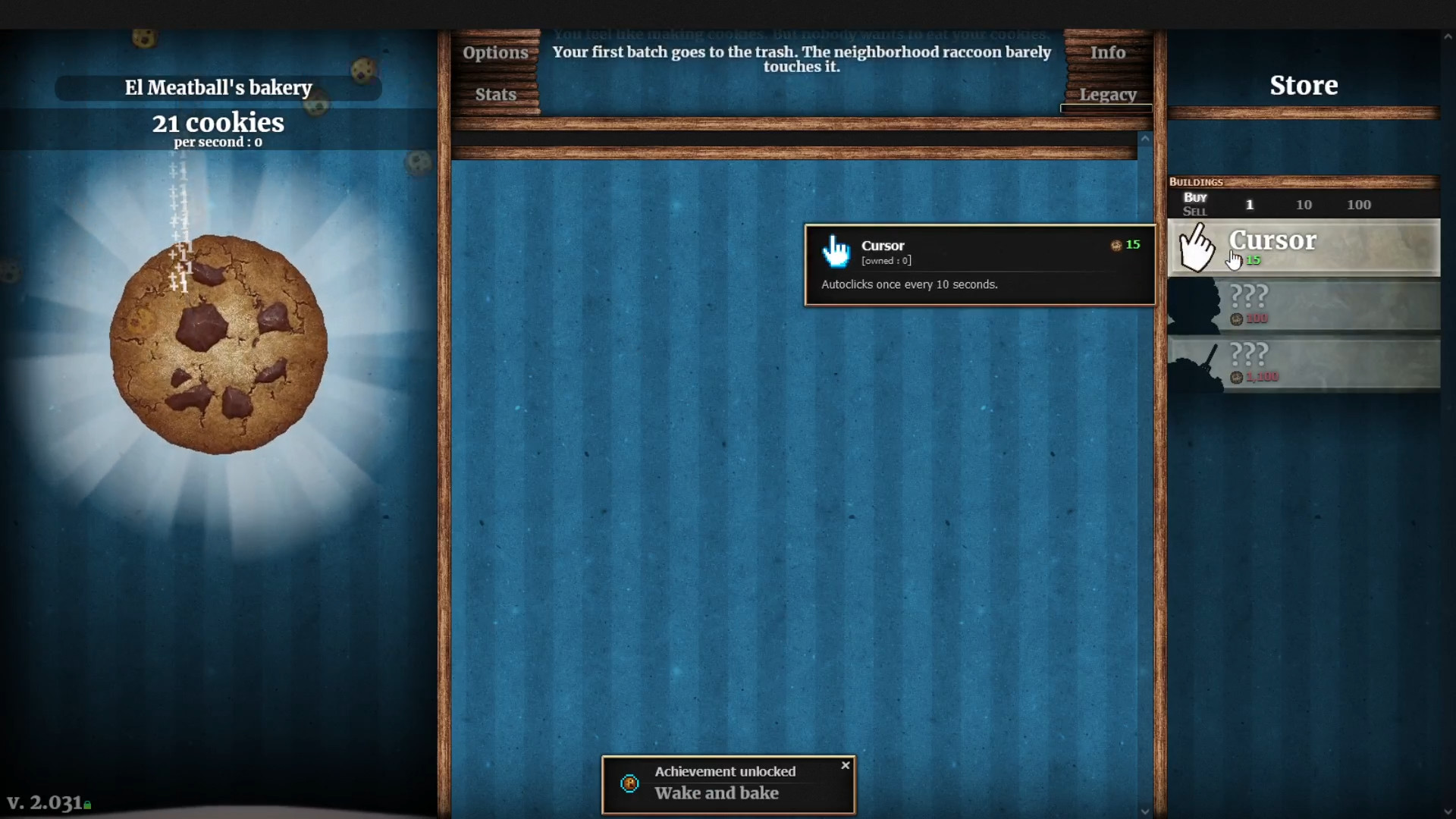 Game guideGames Like Cookie ClickerThe pure incremental loop: numbers go up, upgrades compound, you keep going.
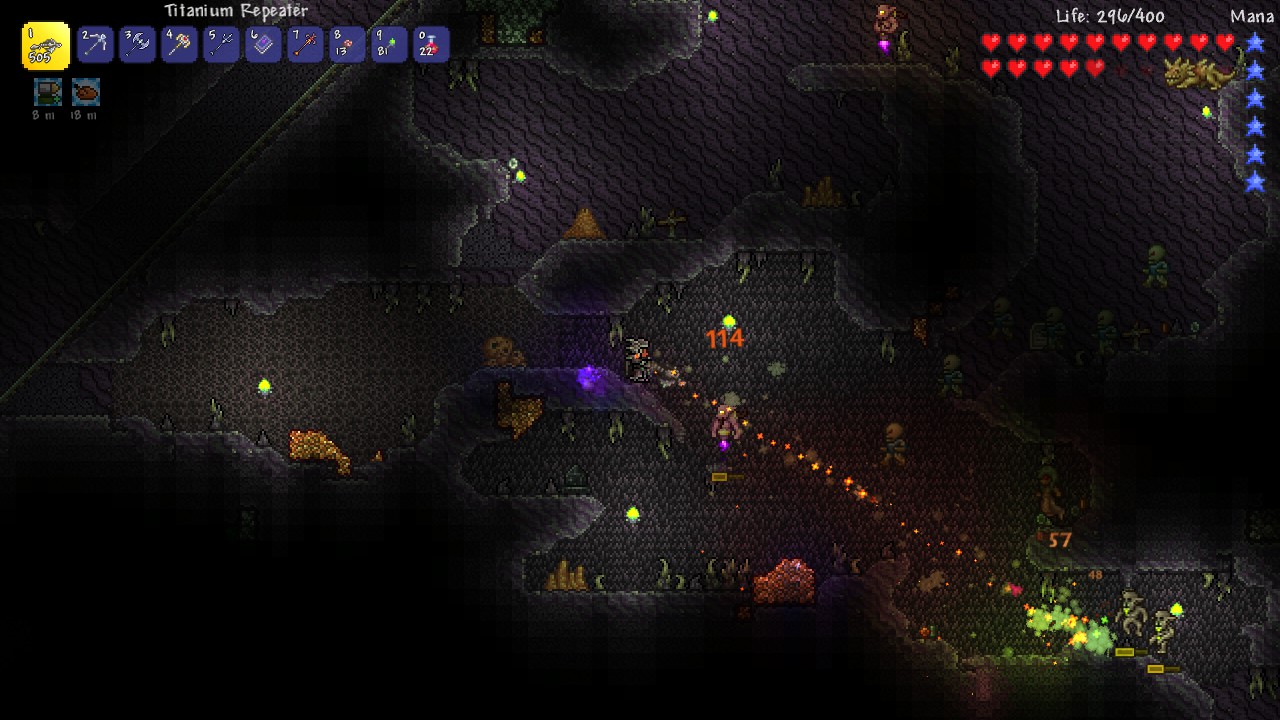 Game guideGames Like TerrariaA 2D sandbox of exploration, gathering, and combat across a big world.
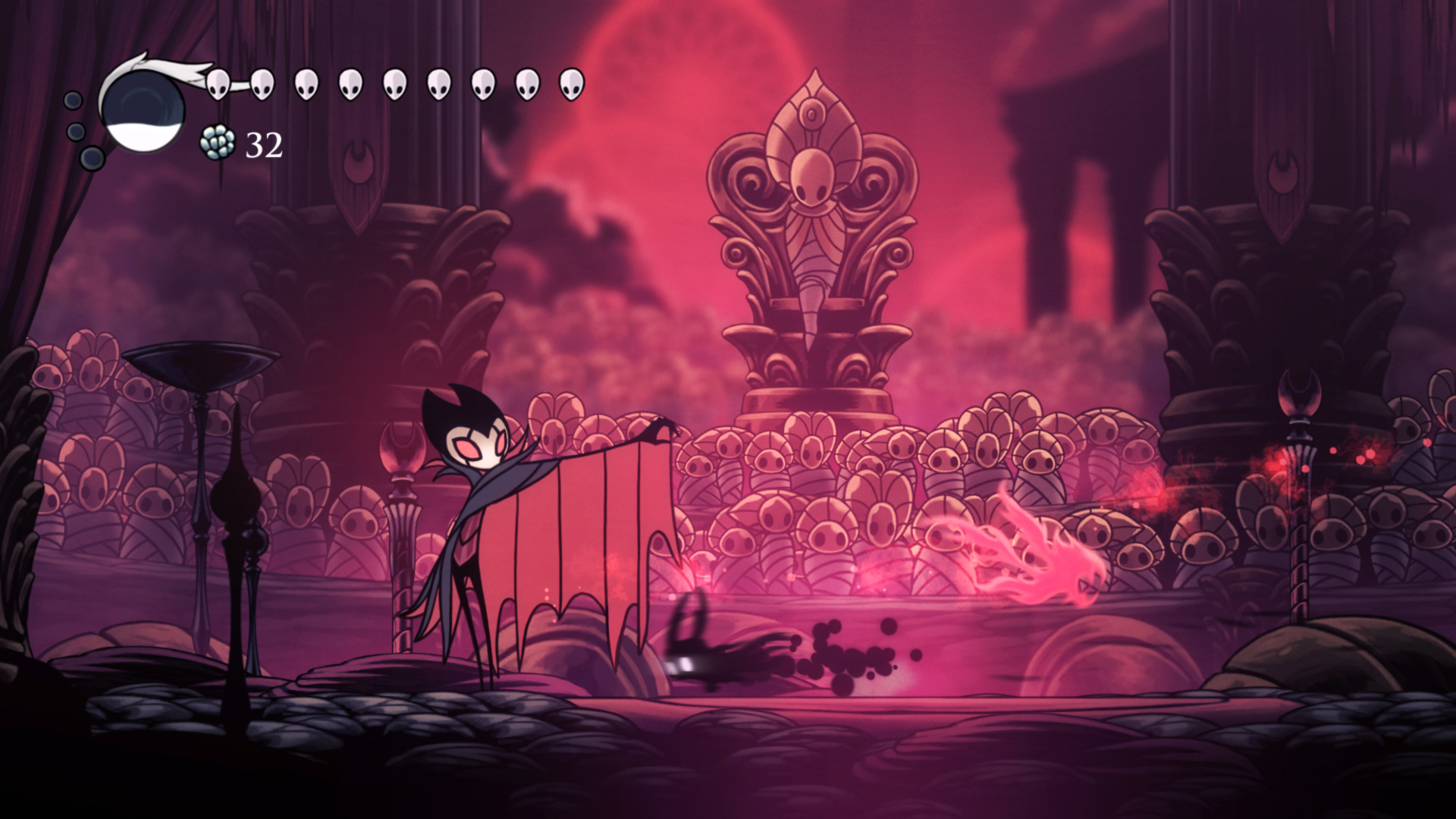 Game guideGames Like Hollow KnightAn atmospheric metroidvania with tight controls and reward-rich exploration.