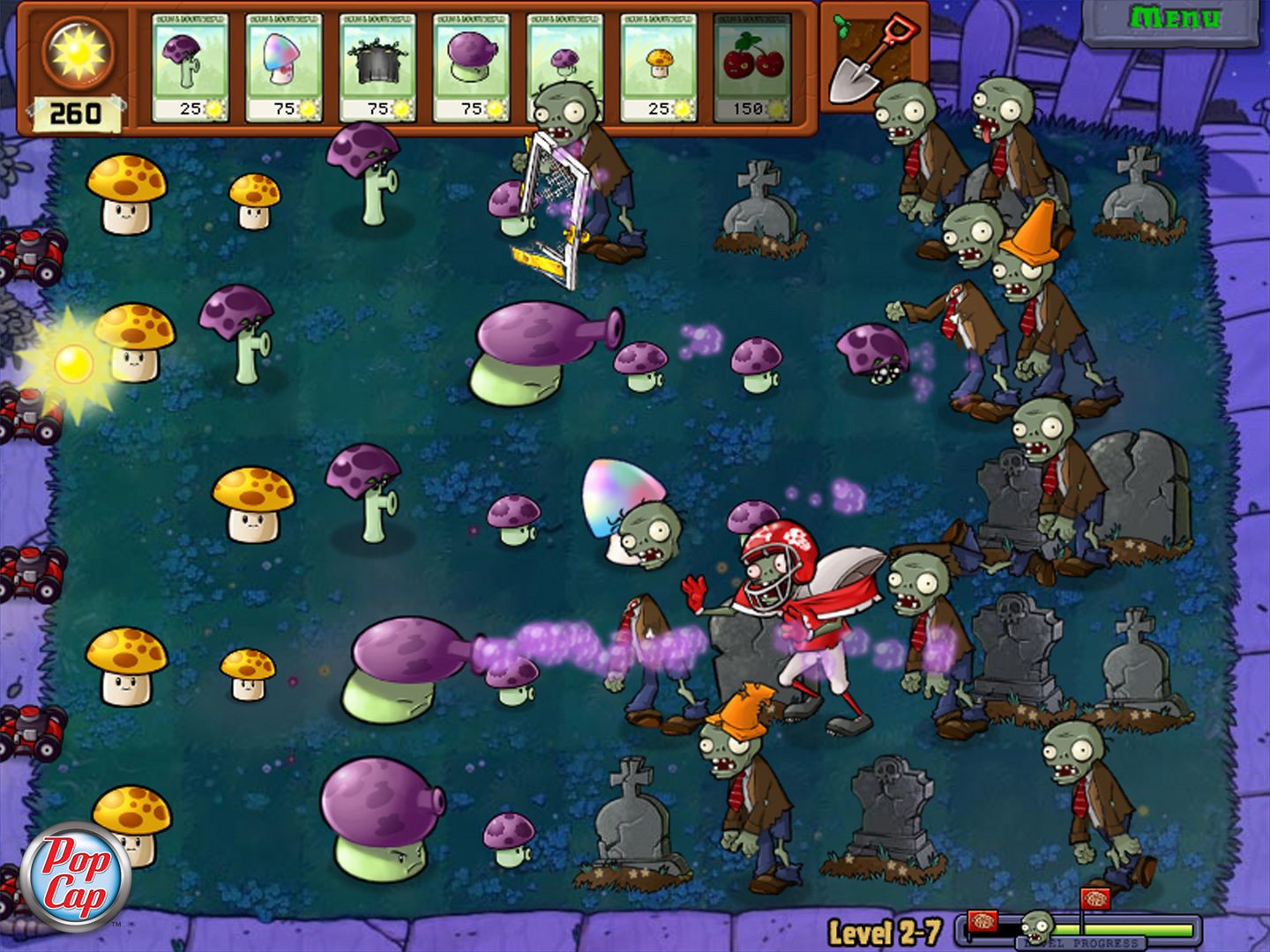
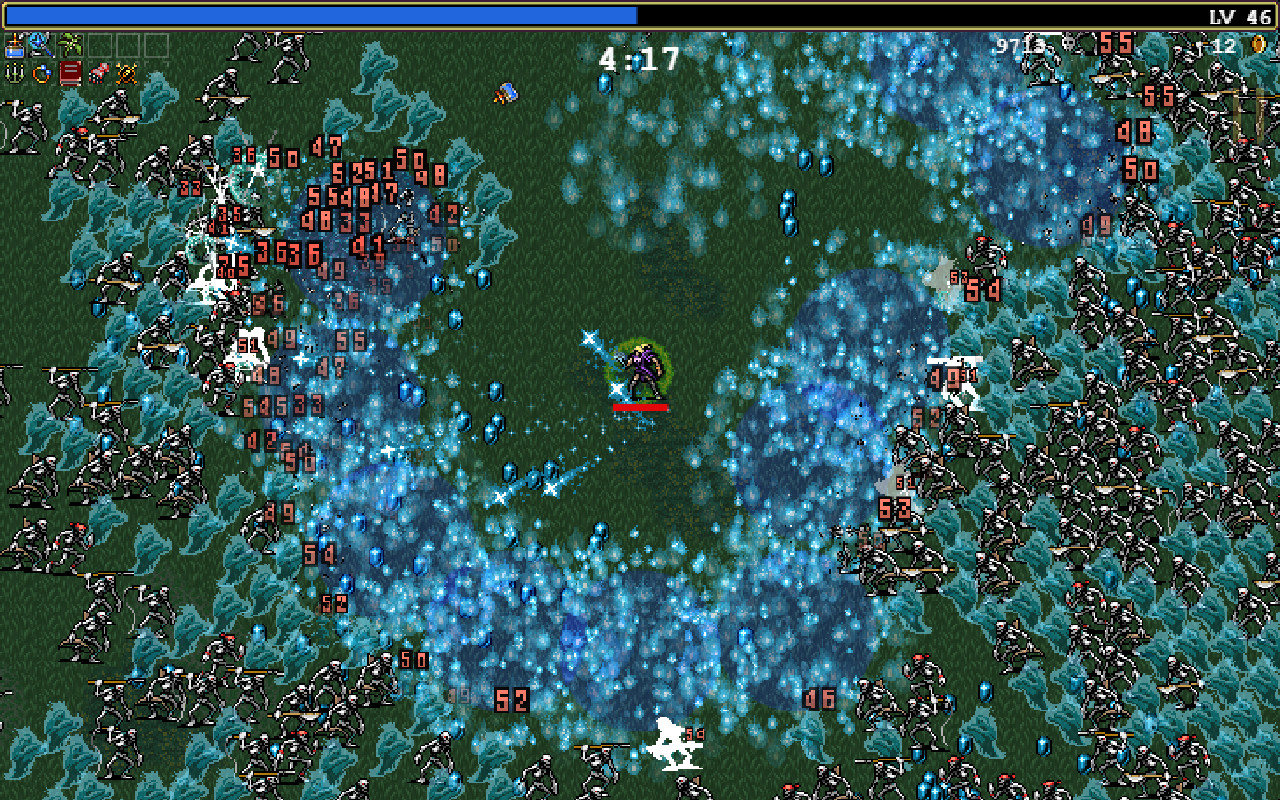
Tower defense games like Plants vs Zombies · Image: PopCap Games
In 2026, making a tower defense game with AI takes roughly two hours from idea to a browser-playable build complete with enemy waves, tower upgrades, in-game currency, and a final boss wave. The workflow: pick a multi-agent AI game studio with a built tower defense engine, write a one-sentence brief, approve a concept screenshot, let the agents work in parallel, then iterate the wave economy in chat.
This guide walks through every step with the exact prompts and expectations you should have at each stage.
TL;DR: The Eight Steps
1. Pick a multi-agent studio with a tower defense engine
A studio with a director, a coder, an artist, and a Sound Engineer beats single-tool generators for shipping a complete game with a real wave economy.
2. Write a one-sentence brief
Setting plus a hook. “A tower defense where every tower is a houseplant.” You don’t need more.
3. Answer follow-ups
The director asks about lane count, wave types, art style, and difficulty curve. Two sentences each is plenty.
4. Approve the concept screenshot
A full-scene mockup with lanes, towers, and an enemy mid-path locks the art direction. Approve it before any sprite is generated.
5. Let the team build in parallel
Coder wires up waves, paths, upgrades, and economy. Artist generates towers at each tier and multiple enemy types. Sound Engineer scores and produces SFX. They run at the same time.
6. Play the first build
Minutes later: a URL with a real tower defense loop. Place towers, watch waves, survive the boss. Take notes on pacing and balance.
7. Iterate in chat
Type plain-language fixes for wave speed, currency balance, or tower types. The team revises and re-ships to the same URL.
8. Share the URL
Friends play in their browser. No install. Done.
The Steps in Detail
Pick an AI game studio with a built tower defense engine
To ship a complete tower defense game with AI, use a multi-agent AI game studio that has a dedicated tower defense engine template rather than a single asset generator. Chatforce ships a Tower Defense engine with built-in support for enemy waves, lane pathing, tower placement, upgrade trees, in-game currency, multiple enemy types, and a final boss wave. Single-tool generators produce assets you would still have to wire into a game loop yourself.
Write a one-sentence brief
Describe the tower defense in a single sentence: setting plus a hook. Examples: “A tower defense where every tower is a houseplant defending against garden pests.” “A lane defense set inside a beehive, with honeycomb towers and wasp invaders.” Specificity helps; perfection is not required.
Answer the Studio Director’s clarifying questions
The Studio Director will ask 2–3 follow-ups tailored to tower defense: how many lanes, how many wave types, art style, difficulty curve. Answer briefly. The director writes a structured brief that specifies enemy paths, tower upgrade trees, and currency drop rates before handing off to the team.
Approve the concept screenshot
Before generating individual sprites, the Artist agent drafts a full-scene concept screenshot: the lane layout, a tower or two placed on the map, and a sample enemy mid-path. This locks the visual language for all towers, enemies, and the HUD. Approve it, or ask for a revision (“more overgrown-forest palette,” “pixel-art instead of painterly”). Every asset after this is generated against the approved reference.
Let the agents work in parallel
The Coder wires up the Tower Defense engine: enemy wave scheduler, lane pathing, tower placement grid, upgrade tree, currency economy, and boss wave logic. The Artist generates tower sprites at each upgrade tier, multiple enemy types, projectile animations, and the map tileset as clean, transparent-background art locked to one consistent style. The Sound Engineer scores an original tension-building loop and produces SFX for tower placement, enemy hits, and the boss arrival, all tuned to the game. With shared context, the boss music cue lines up with the final wave.
Play the first build in your browser
In minutes, you have a URL. Click it. Place a few towers, watch the first enemy wave path toward your base, earn currency, upgrade a tower, survive (or fail) the boss wave. It will have a real game loop. Note what feels off: wave pacing, currency balance, tower range, art consistency.
Iterate in chat
Type plain-language revisions: “Slow down wave 3.” “Make the upgrade costs higher.” “Add a splash-damage tower type.” “The boss needs a more dramatic entrance.” The team revises and re-ships to the same URL. Repeat until the economy feels balanced and the boss wave lands as intended.
Share the URL
When you’re happy, share the URL. Friends play in their browser. No install, no download. Submit it to a jam, post it to your portfolio, send it to your group chat.
Six Things That Trip Tower Defense Makers Up
Using a generic generator instead of a tower defense engine
A generic code generator does not know about wave schedulers, lane pathing, or tower upgrade trees. Use a studio with a built tower defense engine template if you want those systems from the start.
Overscoping the brief
“Ten tower types, five maps, and an endless mode” will overwhelm the first build. “A beehive lane defense with three tower types and a queen-bee boss” will ship. Scope up after you have a playable foundation.
Skipping the concept screenshot
If you let the Artist generate tower sprites before approving a full-scene concept, the towers, enemies, and map end up in mismatched styles. Always approve the concept first.
Ignoring wave economy until the end
Currency balance, enemy health scaling, and wave spacing interact deeply. Flag balance problems early: “I can win without upgrading” or “wave 4 spikes impossibly” are both one chat message away from a fix.
Asking for 3D or thousands of simultaneous units
Chatforce is 2D-only and browser-only. Unity is the better pick if you need 3D towers or thousands of simultaneous units. For a 2D browser tower defense with no code requirement, Chatforce is the stronger choice.
Stopping after the first build
The first build is the foundation, not the finish. The wave economy in particular almost always needs at least one round of tuning. Iterate. A rebalanced wave 3 is one sentence away.
Tools for Making a Tower Defense Game with AI, Compared
Comparison for tower defense makers. Chatforce is 2D-only and browser-only, and that’s a feature when a fast, shareable 2D game is what you’re building.
Approach
Chatforce
Rosebud AI
Single-tool stack
Claude / ChatGPT + engine
Built tower defense engine
Yes, ships with waves, paths, upgrades, currency, boss wave
Generic 2D only
No
Hand-rolled by you
Multi-agent team
Yes, 4 specialists
Single model
No, per-tool
One model
No engine install required
Yes
Yes
Mixed
No
No coding required
Yes
Yes
Mixed
No
Original art included
Yes, consistency-locked
Yes
Per-tool
BYO
Original music + SFX included
Yes, original score + SFX
Limited
Per-tool
BYO
Browser-playable output
Yes, one URL
Yes
Manual
Manual
Wave economy tuning in chat
Yes, plain-language balance fixes
Limited
No
Possible with effort
Starting price
Free + bonus credits, $20/mo
Free + paid
Varies
From $20/mo
Frequently Asked Questions
Can I make a tower defense game with AI without coding?
Yes. The Coder agent handles all the game logic: enemy wave scheduling, lane pathing, tower placement, upgrade trees, and currency economy. You describe the behavior you want in plain English and the agent writes the code.
Does Chatforce have a real tower defense engine, or does it generate generic code?
Chatforce ships a dedicated Tower Defense engine template with built-in support for enemy waves, multiple lane paths, tower placement grids, upgrade tiers, in-game currency, multiple enemy types, and a final boss wave. It is a shipping engine, not a one-off code generation.
How many enemy types and tower types can I have?
The Tower Defense engine supports multiple enemy types with distinct stats and sprites, multiple tower types each with an upgrade path, and a distinct final boss wave. The exact count scales with iteration: start with two or three tower types and ask for more in chat.
Can I balance the wave economy in chat?
Yes. Currency drop rates, wave spacing, enemy health, and tower costs are all adjustable through plain-language chat. Say “the early waves are too easy” or “I run out of money before wave 5” and the Coder agent rebalances the numbers.
How long does it take to make a tower defense game with AI?
A first playable build with waves, towers, and a boss typically takes minutes. A polished entry with balanced economy, multiple tower types, and a full art pass takes a weekend. A deeper game with multiple maps takes a few days of iteration.
Is the output a real browser game or a video?
It is a real, interactive, browser-playable 2D game. You place towers, enemies path toward your base in real time, and the game tracks your currency and lives. No install, no download: one shareable URL.
When should I use Unity instead of Chatforce for a tower defense?
Unity is the better pick if you need 3D towers or thousands of simultaneous units. For a 2D browser tower defense with no code requirement and a fast turnaround, Chatforce is the stronger choice.
How much does it cost to make a tower defense game with Chatforce?
New accounts receive bonus credits covering at least one complete game across all four agents. After that, the paid plan is $20 per month with no per-asset cost. You describe what you want and the team ships it.
Start Step 1 Now
Open Chatforce. Type one sentence describing your tower defense. The team wires up the waves, builds the towers, and delivers a browser-playable game. You take it from there in chat.
/icon_text_light_svg.svg)