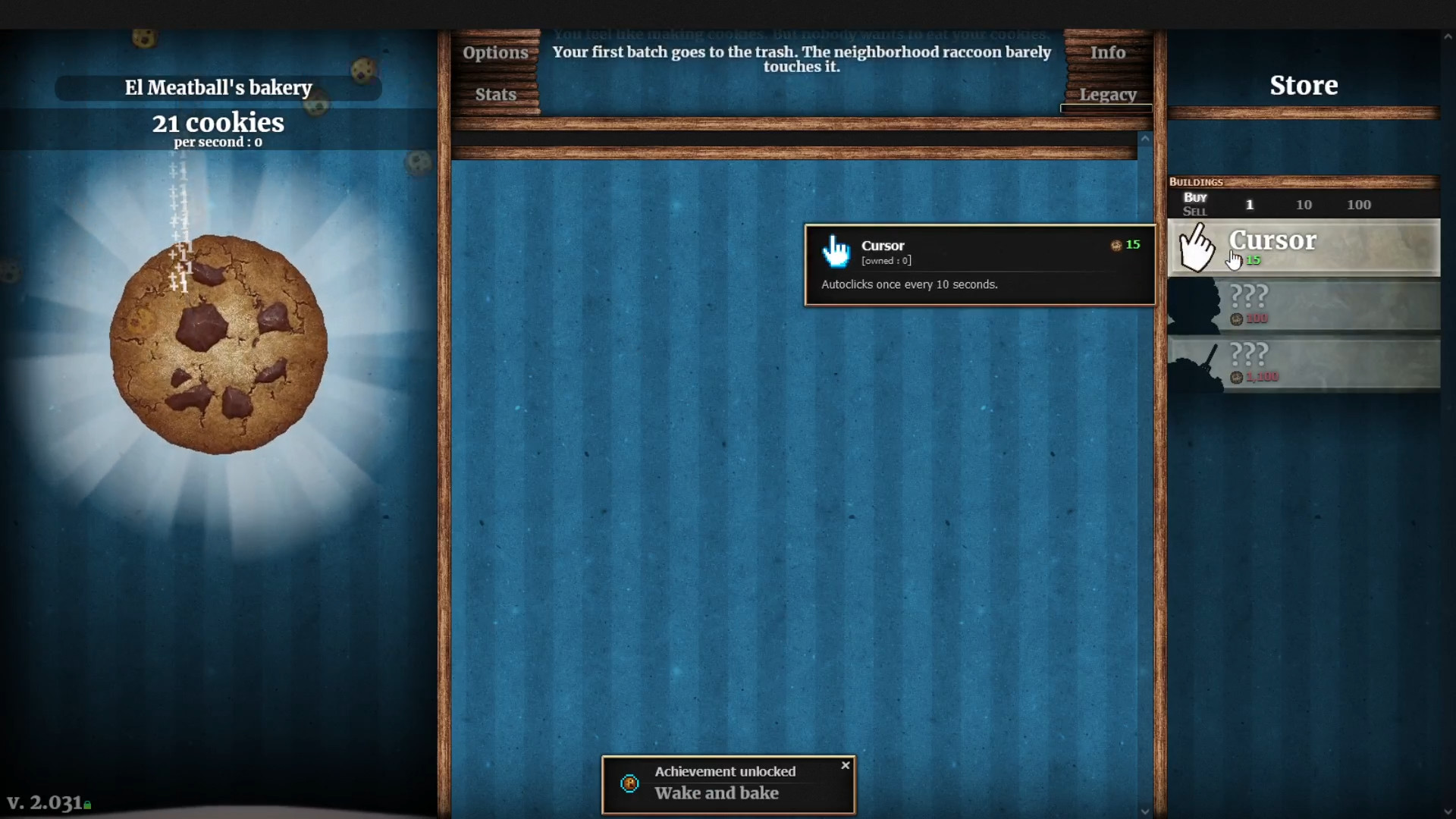
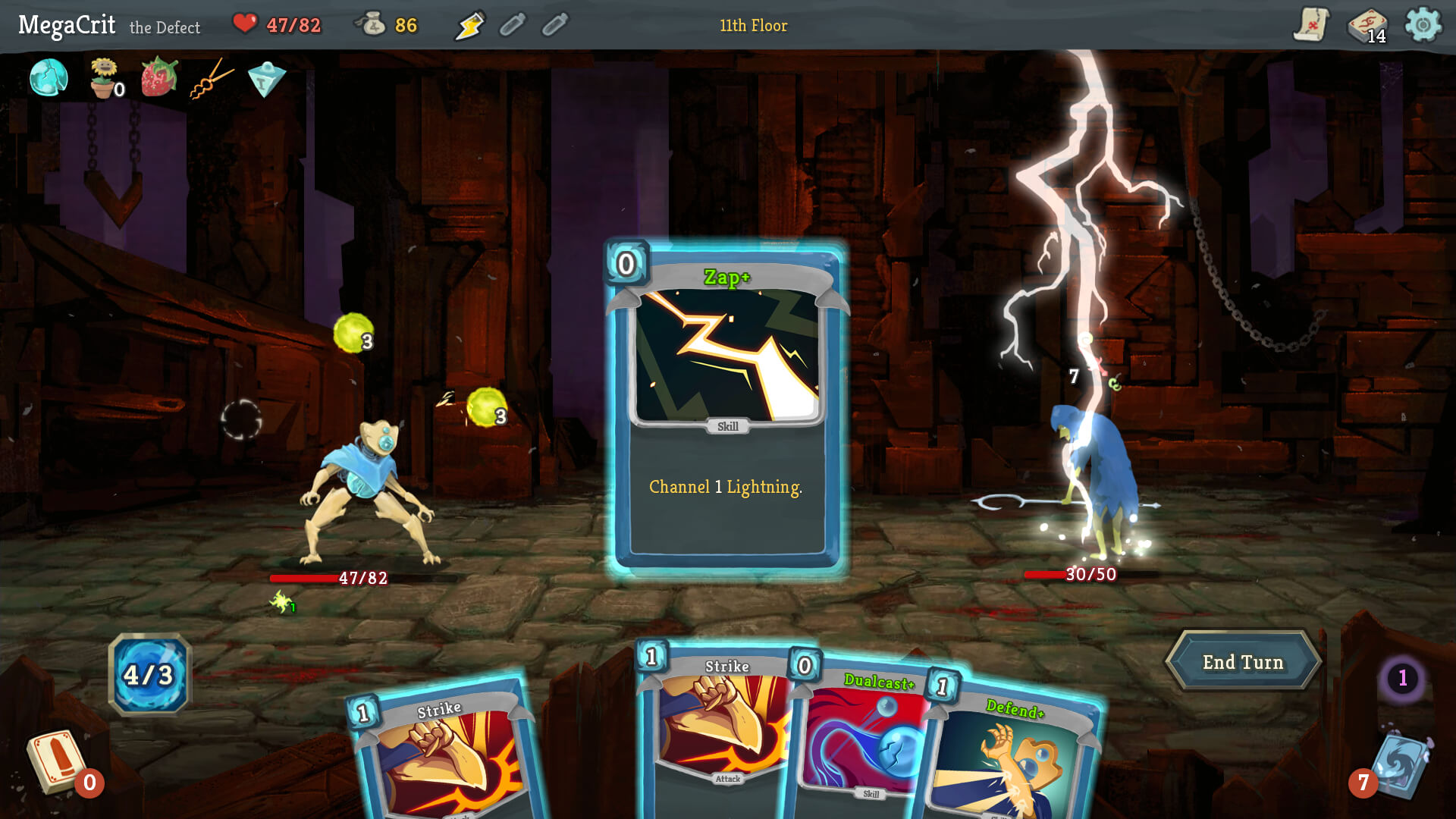
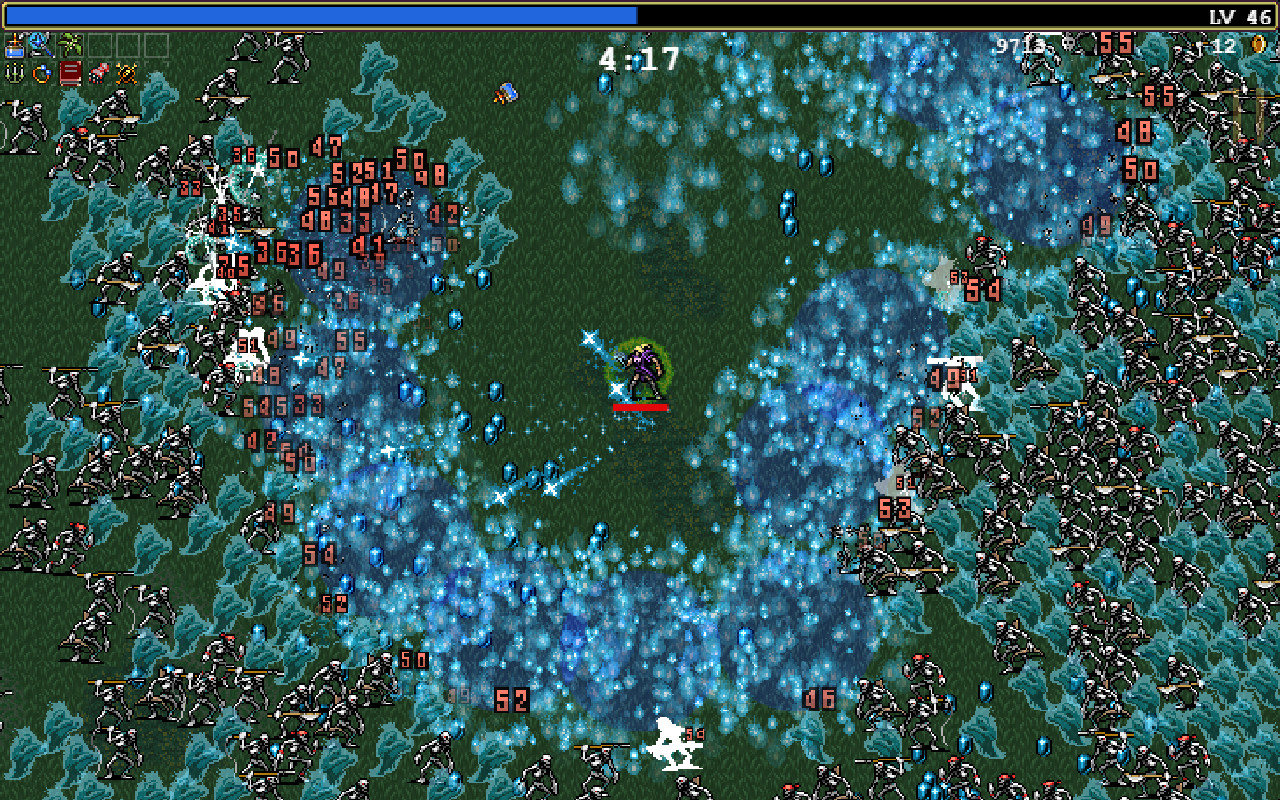
Idle games like Cookie Clicker · Image: Orteil / DashNet
In 2026, making an idle game with AI takes about two hours from idea to a browser-playable build. This guide follows one real example the whole way through: Maple Tap Frenzy, an idle game built end to end on Chatforce. Tap a maple leaf, bank syrup, and reinvest it into seven tiers of generators that keep earning while you are away.
The workflow is the same for any idle game: pick a multi-agent AI game studio with a dedicated Idle / Clicker engine, write a one-sentence brief, approve a concept screenshot, let the agents wire up click income, generators, and upgrade trees in parallel, then iterate in chat. Eight steps, start to finish, with the exact prompts and expectations at each stage.
The Example: Maple Tap Frenzy
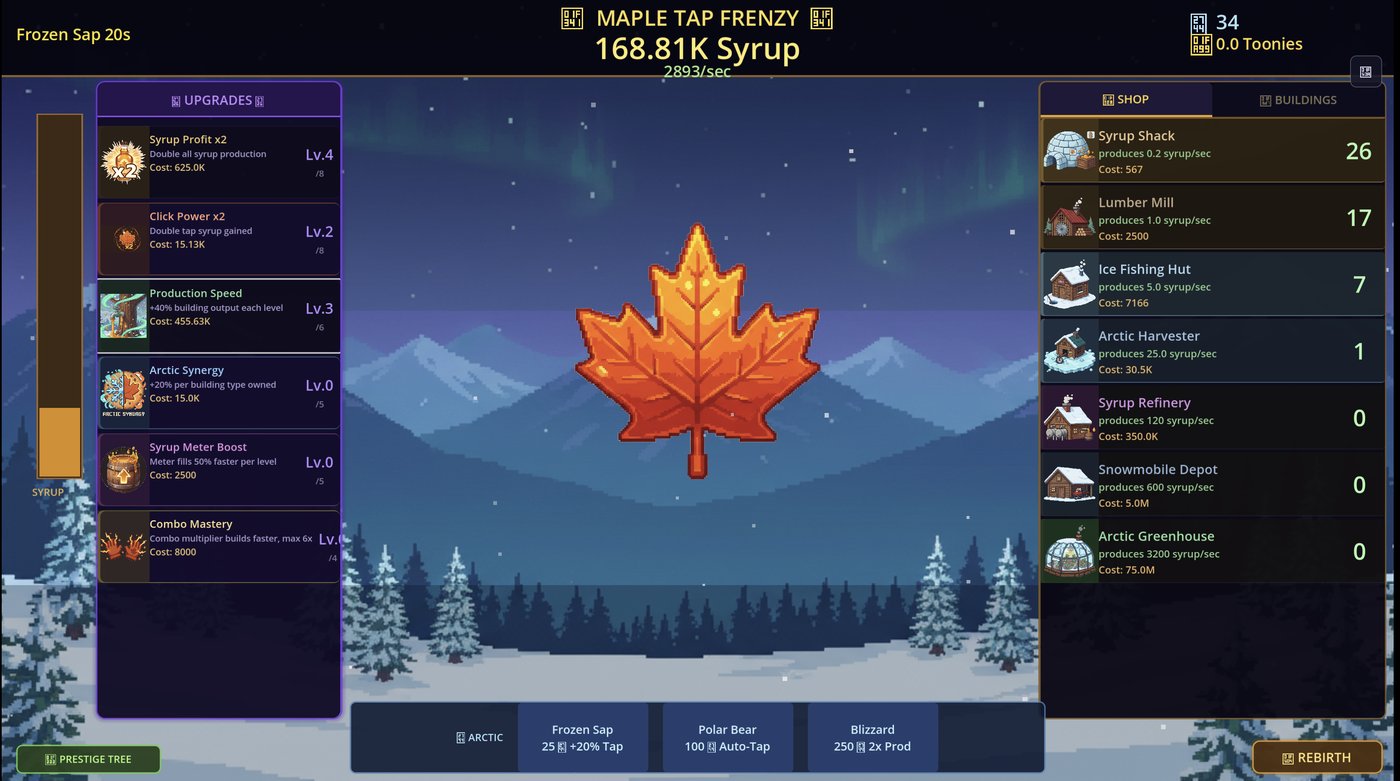
Maple Tap Frenzy, an idle game built end to end with Chatforce · Play it free
Maple Tap Frenzy is a clean, modern take on the idle loop: tap a maple leaf for syrup, plough the syrup into generators that earn on their own, then prestige with a Rebirth that pays out in Toonies. Because it was built end to end on Chatforce, we can show you the entire economy that came out the other side.
It shipped with seven generator tiers scaling from a 0.2-per-second Syrup Shack to a 3,200-per-second Arctic Greenhouse, a 16,000x span across the exponential curve idle games live on. On top of that: six upgrade tracks (Click Power x2, Production Speed, Arctic Synergy, and more), three timed event buffs (Frozen Sap, Polar Bear, Blizzard), offline earnings, and the prestige layer. None of it was hand-coded. No sprites were drawn by hand, no audio was licensed. Four AI agents produced the leaf, the seven generator icons, the soundtrack, the click SFX, and the whole economy in a single session.
Why Idle Games Are Worth Building
Idle games turned “numbers go up” into a design philosophy. The format traces back to Cookie Clicker in 2013, and the appeal has not shifted since: a loop you understand in five seconds and keep open for five hours. A year later, AdVenture Capitalist popularized offline earnings, the “progress while you are away” hook that nearly every idle game now copies, and the genre has been a fixture of browsers and app stores ever since.
It is also one of the most-played categories on mobile. By Sensor Tower’s count, the top fifty idle-arcade titles alone pull more than 60 million downloads every month. The reasons line up exactly with the constraints Chatforce is built around: idle games are 2D, they run in a browser tab, they need no install, and they are trivial to share with a single link.
2013the year Cookie Clicker turned the incremental loop into a mainstream genre
2014AdVenture Capitalist standardizes offline earnings, the away-from-keyboard hook
60M+/modownloads for the top 50 idle-arcade titles alone, per Sensor Tower
No installa genre built for the browser tab: instant to start, easy to share, runs while you are gone
All of which makes idle the ideal first game to build with AI, and the build-side numbers are just as friendly. On Chatforce a first playable build lands in minutes, a polished one in about two hours, and the whole thing is made by four agents working in parallel: a Studio Director, a Coder, an Artist, and a Sound Engineer. You write zero lines of code and draw zero sprites, and the free tier is enough to finish and share a game.
The 8 Steps
Here is the whole process, the same eight steps that produced Maple Tap Frenzy. Start to finish it runs about two hours, and the first playable version shows up inside the first few minutes, so most of that time is you reacting to a real build rather than waiting on one.
Pick an AI game studio built for idle game production
To ship a complete idle game with AI, use a multi-agent AI game studio rather than a single asset generator. A studio gives you specialized agents for direction, code, art, and audio, sharing one context so upgrade trees, idle numbers, and visual feedback all cohere. Chatforce ships a dedicated Idle / Clicker engine and is one such studio. Single-tool generators hand you assets you would still have to wire into a prestige loop yourself. Maple Tap Frenzy was built exactly this way: one chat, four agents, one shared brief.
Write a one-sentence idle game brief
Describe the idle game in a single sentence: a theme plus a hook. The brief behind our example was one line: “An idle game where you tap a maple leaf to make syrup and buy Canadian-themed generators.” That sentence alone gave the team the click target (a leaf), the currency (syrup), and the art direction (a cozy Canadian winter). Specificity helps; perfection is not required.
Answer the Studio Director’s clarifying questions
A good AI game studio asks 2 to 3 follow-ups specific to idle design: tap value versus passive income, how deep the upgrade tree should go, and whether you want a prestige / reset layer. For Maple Tap Frenzy that settled three things: a tap worth a small base with multipliers, seven generator tiers, and yes to a Rebirth prestige that pays out in Toonies. Answer briefly. The director turns your answers into a structured brief and hands it to the team.
Approve the concept screenshot
Before generating individual sprites, the Artist drafts a full-scene concept of your UI: the main click target, the generator panel, the upgrade sidebar. You approve it, or ask for a revision (“more aurora,” “cozier pixel-art feel”). Every asset after this is generated against the approved reference, which is why the maple leaf, the seven generator buildings, and the snowy backdrop all read as one game instead of a collage.
Let the agents work in parallel
The Coder implements click income, automated generators, upgrade trees, offline progress, large-number formatting, and milestone unlocks on the Idle / Clicker engine. In Maple Tap Frenzy that came out as seven generators scaling from 0.2 to 3,200 syrup per second and six upgrade tracks. The Artist generates the click target, each generator icon, and the background as clean, transparent art locked to one style. The Sound Engineer scores an ambient winter loop and a satisfying tap sound. Because they share context, the music tone matches the theme and the SFX land on the upgrade moments.
Play the first build in your browser
In minutes, you have a URL. Click it. The first build already has a working tap loop, at least one generator tier, an upgrade panel, and offline-progress tracking. Play for two minutes and note what feels off in the pacing or the number scaling. This is the build you react to, not the one you ship. You can play the finished version of our example a little further down this page.
Iterate in chat
Type plain-language revisions: “The first Rebirth feels too slow.” “Add a seventh generator tier above the Snowmobile Depot.” “Show a bigger number pop when I tap.” “Make the Blizzard event double production for longer.” The team revises and re-ships to the same URL. Most idle games take a handful of these passes to find a curve that feels good. Repeat until the pacing is satisfying.
Share the URL
When you are happy, share the URL. Friends play in their browser, stack up syrup or moon-dust or star-credits, and come back after leaving the tab open to a pile of offline earnings. No install, no download. Submit it to a jam, post it to your portfolio, or drop it in your group chat. Maple Tap Frenzy lives at one such link, and it is embedded below.
Play an Idle Game Built This Way
Here is Maple Tap Frenzy running in the page, the finished result of the eight steps above. Tap the leaf, buy a Syrup Shack, and watch the per-second counter start to climb.
None of these are dealbreakers, and all of them are one chat message to fix. They are just the spots where idle-game design quietly differs from the rest of game-making, where the value lives in the curve and the pacing rather than the art. Knowing them up front turns a three-pass build into a one-pass build.
Skipping the prestige conversation
If you don’t mention prestige in the brief or follow-ups, the Coder builds a single-loop game without a reset layer. Tell the director up front if you want it. Adding it later is possible but takes more iteration turns.
Overscoping the upgrade tree
“Fifty upgrade tiers with synergy bonuses” leads to a messy first build. Start with two or three tiers and a prestige unlock. Let the director scope you down to something shippable, then expand via iteration.
Skipping the concept screenshot
If you let the Artist generate icons before approving a full-scene UI concept, your generator panel and upgrade sidebar end up as a collage of unrelated styles. Always approve the concept first.
Ignoring offline-progress tuning
The default offline cap is conservative. If your idle game is meant for long sessions, ask in chat to raise the offline multiplier and cap. It takes one revision and dramatically improves the feel for returning players.
Treating number balancing as a code problem
Number scaling in idle games is design, not engineering. Describe the feel you want: “first prestige should feel achievable in about ten minutes.” The Coder will adjust the exponential growth rates. You do not need a spreadsheet.
Stopping after the first build
The first build establishes the loop; the iteration pass is where idle games become satisfying. Number pops, milestone fanfares, and a well-tuned prestige moment all come from chat revisions, not the initial generation.
Tools for Making an Idle Game with AI, Compared
The fastest way to see the difference is the feature set you would otherwise assemble by hand. A single-tool stack might generate art, or music, or code, but never the whole game wired together, and a general AI app builder gives you a web app, not a tuned prestige economy. Chatforce ships the Idle / Clicker engine, the art, the soundtrack, and a shareable URL as one result, for free to start and $20 a month after that.
Comparison for idle and clicker game makers. Chatforce is 2D-only and browser-only, which is exactly what the idle genre was built for.
Approach
Chatforce
Rosebud AI
Single-tool stack
Hand-coded build
Dedicated Idle / Clicker engine
Yes
No
No
Manual
Offline progress out of the box
Yes
Partial
No
Manual
Prestige / reset layer
Yes, on request
Partial
No
Manual
Large-number formatting
Yes
Partial
No
Manual
No coding required
Yes
Yes
Mixed
No
Original art included
Yes, consistency-locked
Yes
Per-tool
BYO
Original music + SFX included
Yes, original score + SFX
Limited
Per-tool
BYO
Browser-playable output
Yes, one URL
Yes
Manual
Manual
Custom prestige balancing
Good, via chat
Limited
No
Full control
Starting price
Free + bonus credits, $20/mo
Free + paid
Varies
Free (your time)
Frequently Asked Questions
Can AI make a complete idle game in 2026?
Yes. Chatforce ships a dedicated Idle / Clicker engine. From a one-sentence brief, the multi-agent team produces click income, automated generators, upgrade trees, offline progress, large-number formatting, and prestige resets. You get a browser-playable build without writing code or drawing sprites.
Does the AI handle prestige and reset mechanics?
Yes. Tell the Studio Director you want a prestige layer during the clarifying-question step. The Coder will implement a prestige reset that returns you to the start with a permanent multiplier, the classic idle / incremental formula.
How does offline progress work in the AI-built idle game?
The Coder stores a timestamp when the tab closes and calculates accumulated generator income on next load, up to a configurable cap. You can tune the offline multiplier and cap in chat after seeing the first build.
Can I control the number-scaling curve and large-number formatting?
Yes. The Idle / Clicker engine uses scientific notation and named tiers (thousand, million, billion, and so on) by default. Ask in chat to switch notation styles or adjust the exponential growth rate of any generator tier.
Do I need to know how to code or balance spreadsheets?
No. The Coder agent handles number balancing. You describe the feel you want (“first upgrade should feel instant, prestige around 10 minutes”) and the team adjusts the underlying values.
How long does it take to make an idle game with AI?
A first playable build with click income, one generator tier, and one upgrade row typically takes minutes. A polished build with multiple generator tiers, a prestige layer, and milestone unlocks takes a weekend of iteration.
Is Chatforce 2D and browser-only for idle games?
Yes. Chatforce is 2D-only and browser-only. Idle and clicker games are a natural fit for this constraint: the genre was born in browser tabs and benefits from instant shareability, offline income, and no-install play.
When would hand-coding an idle game be better?
A hand-coded build gives you finer control over a sprawling prestige economy if your long-run balancing is highly custom. For most idle games, the Chatforce Idle / Clicker engine covers the full feature set without code.
Start Step 1 Now
Open Chatforce. Type one sentence about your idle game. The team builds the click loop, the generators, the upgrades, and the art. You play the result in a browser tab.
/icon_text_light_svg.svg)