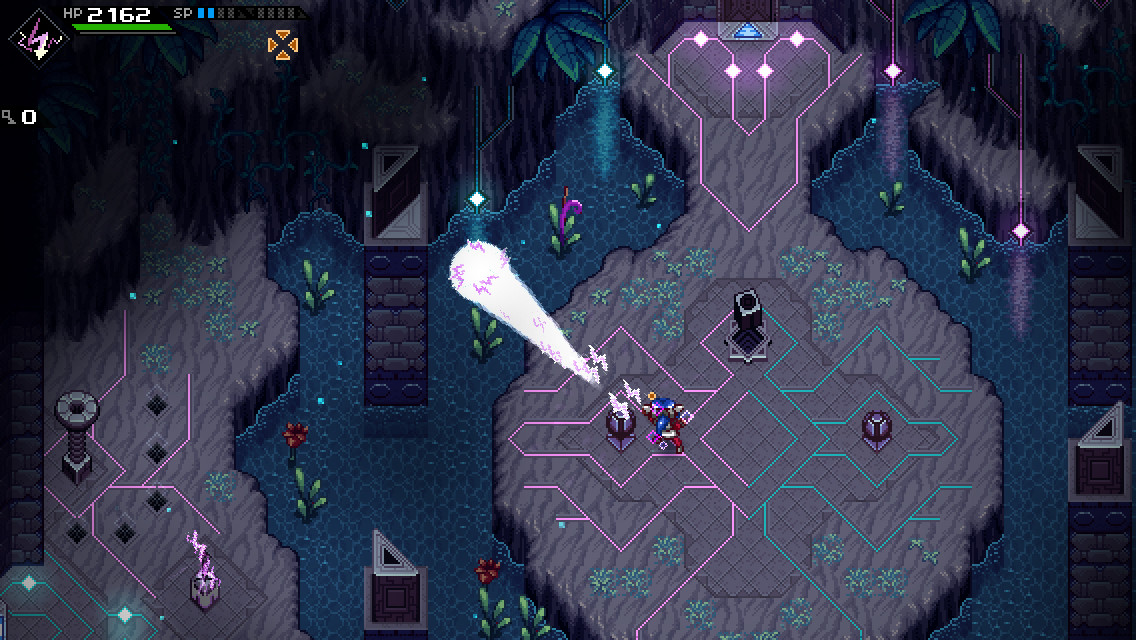
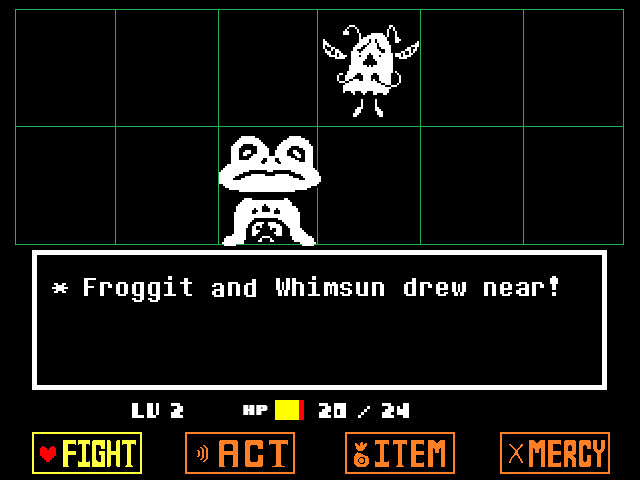
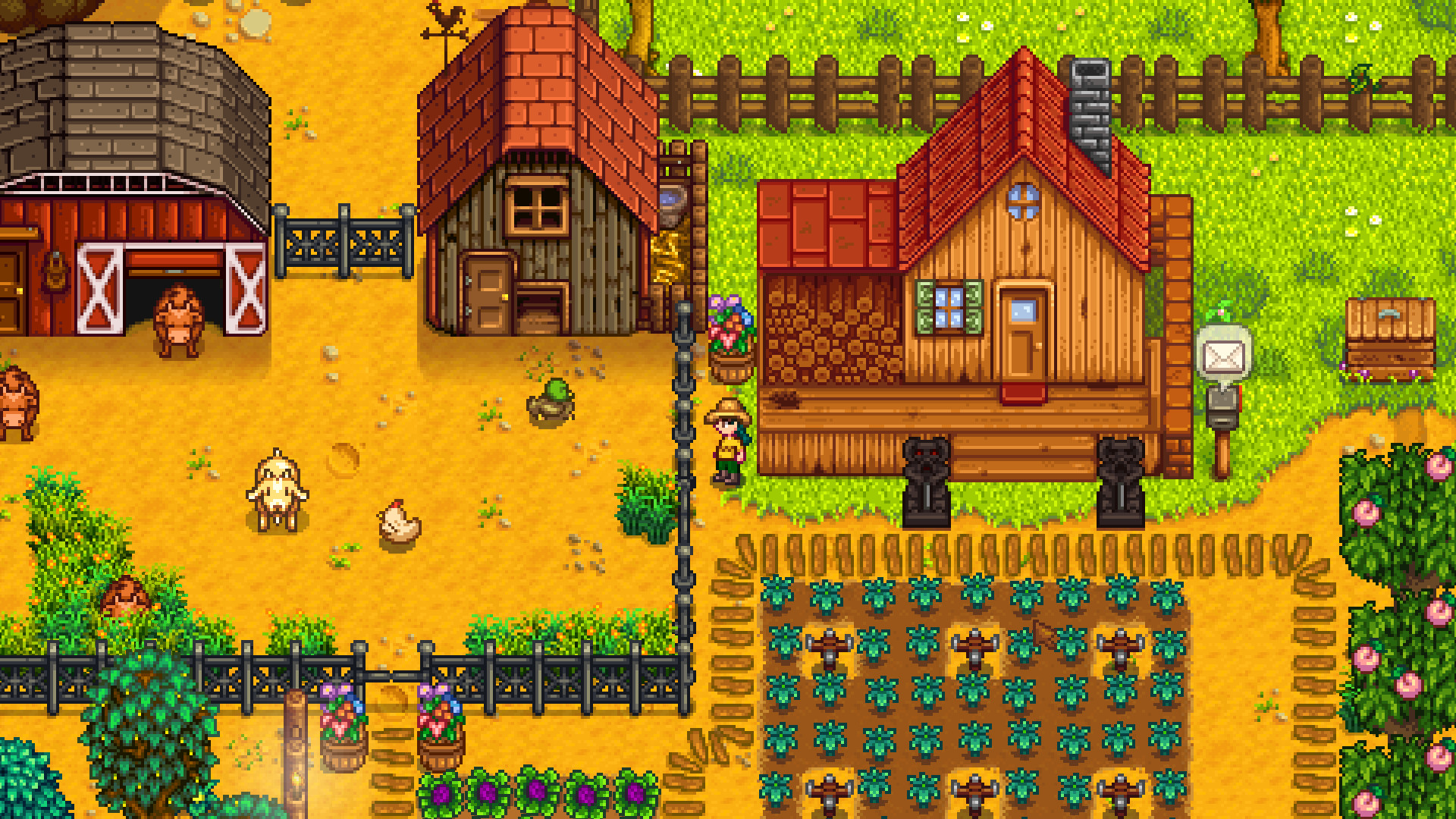
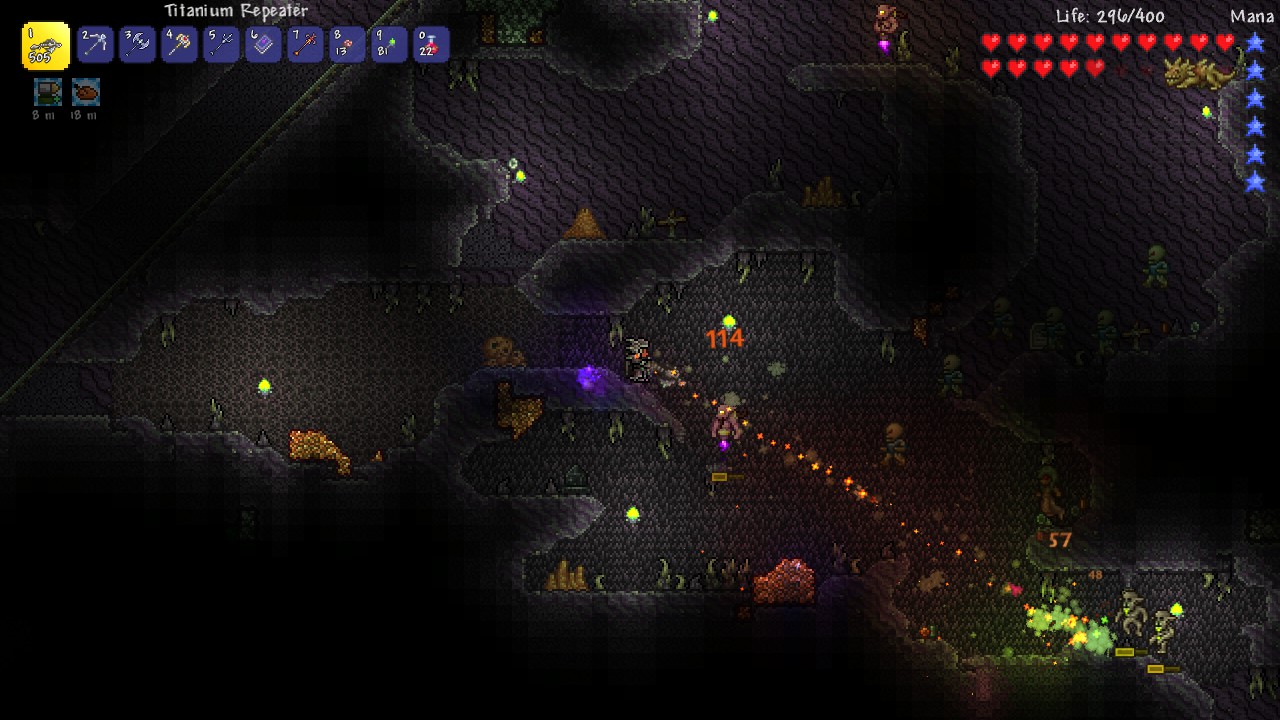
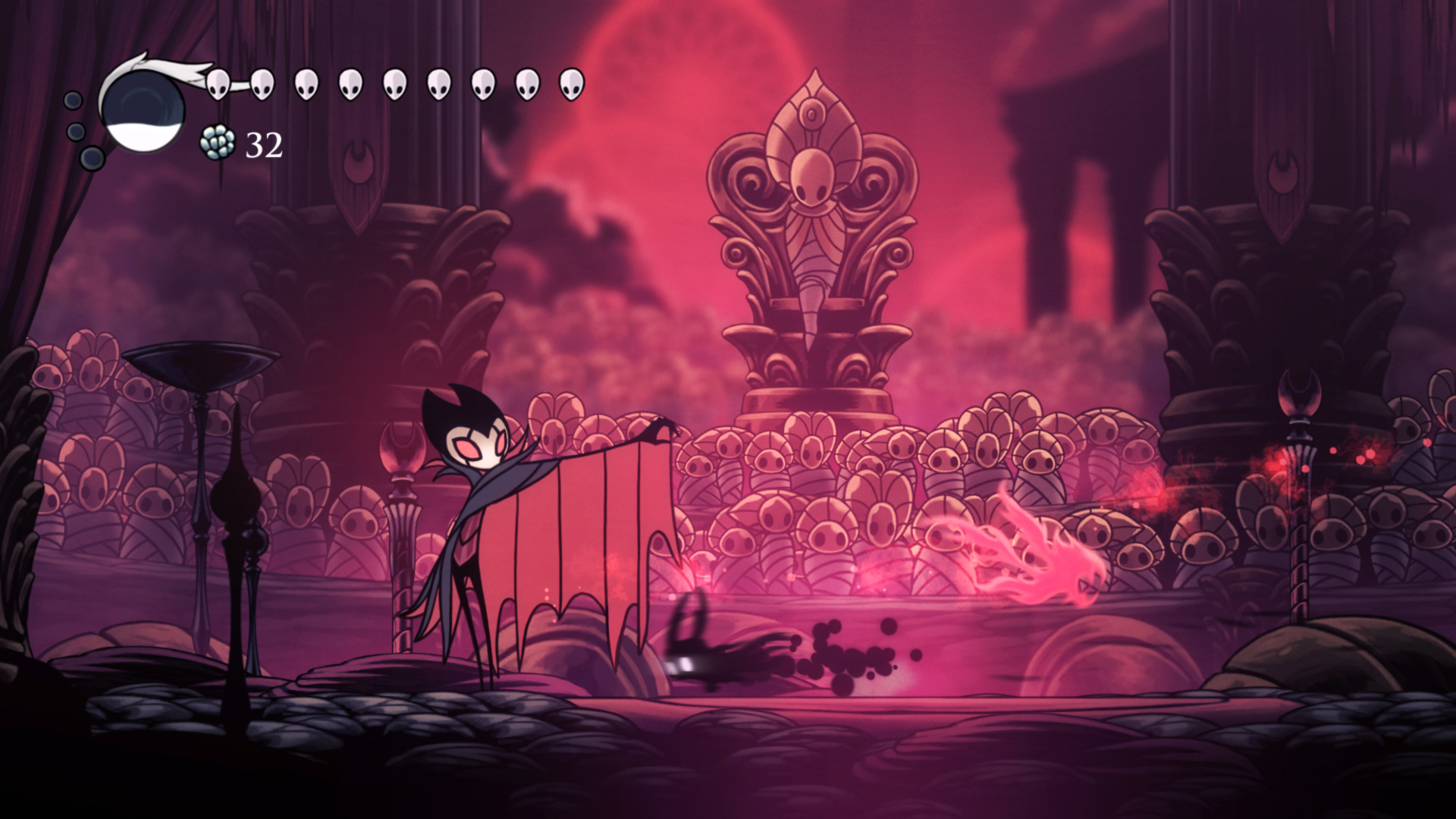
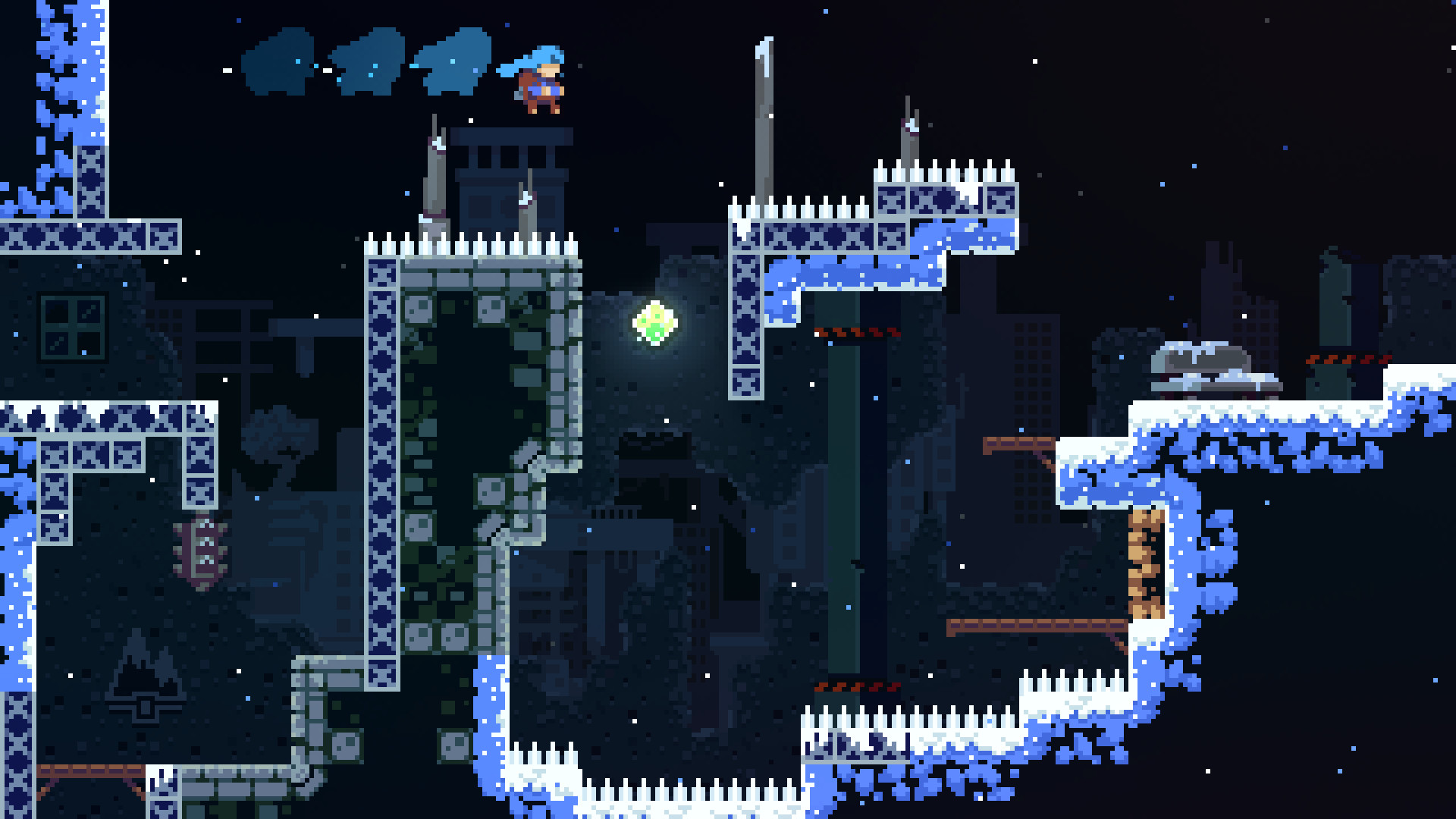
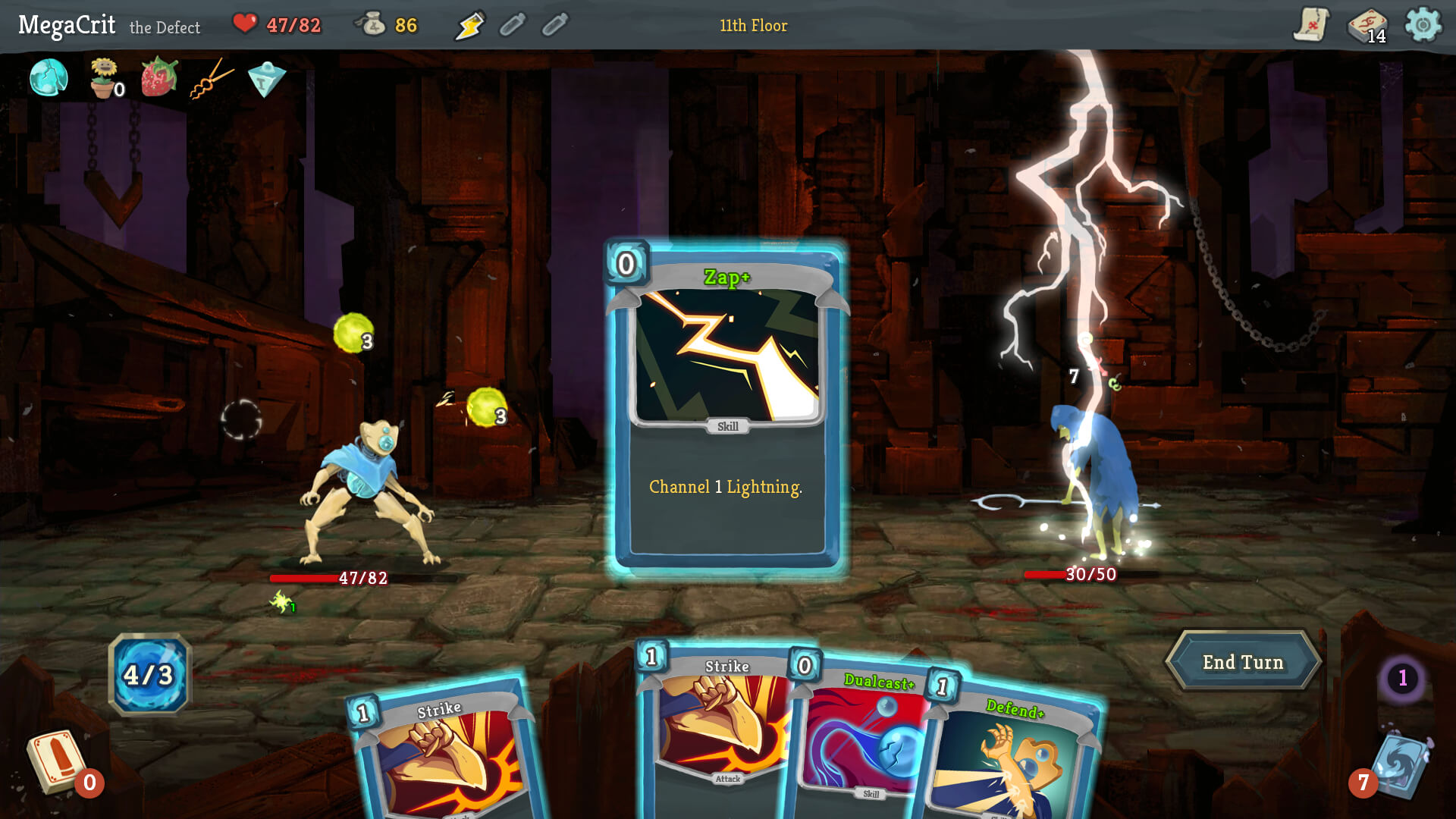
Top-down RPGs like CrossCode pack tile maps, combat, and exploration into one view · Image: Radical Fish Games
In 2026, you can go from a one-sentence idea to a browser-playable top-down RPG in roughly two hours. The workflow: pick a multi-agent AI game studio with a built top-down overworld engine, write a brief like “a cozy village RPG where every NPC remembers what you said,” approve a concept screenshot, let the agents build tile maps, branching dialogue, and an original score in parallel, then iterate in chat.
This guide walks through every step, with the exact prompts and expectations you should have at each stage.
TL;DR: The Eight Steps
1. Pick a multi-agent studio
Choose a studio with a built top-down overworld engine. Tile maps, NPC movement, and dialogue trees should be included, not bolted on later.
2. Write a one-sentence brief
Setting plus a hook. “A top-down farming game where the crops fight back.” Two dozen words is enough to start.
3. Answer follow-ups
The Studio Director asks about art style, NPC count, quest depth, and whether you want a day/night cycle. Two sentences each is plenty.
4. Approve the concept screenshot
A full overworld mockup locks the tile palette and character proportions before mass generation begins.
5. Let the team build in parallel
Coder builds the overworld loop. Artist generates tile sets and sprite sheets. Sound Engineer scores and produces SFX. They run at the same time.
6. Play the first build
Minutes later: a URL. Walk the tile map, talk to an NPC, pick up an item. Note what feels thin.
7. Iterate in chat
Type plain-language fixes. “Add a blacksmith with three dialogue branches.” The team revises and re-ships to the same URL.
8. Share the URL
Friends play in their browser. No install. Done.
The Steps in Detail
Pick an AI game studio with a top-down RPG engine
To ship a complete top-down RPG with AI, use a multi-agent AI game studio that ships a built top-down overworld engine. That means tile maps, NPC movement, branching dialogue, inventory, quests, and enemy encounters are already wired in. Chatforce includes all of these in its Top-Down Overworld engine. Single-tool generators produce art or music but not a playable RPG loop, so you would still have to wire everything together yourself.
Write a one-sentence brief
Describe the RPG in a single sentence: setting plus a hook. Examples: “A top-down farming game where the crops fight back.” “A cozy village RPG where every NPC remembers what you said.” Specificity about tone and hook helps the Studio Director scope the project; a perfect design document is not required.
Answer the Studio Director’s clarifying questions
The Studio Director will ask 2–3 follow-ups: art style (pixel art, painterly, hand-drawn), how many NPCs and quest lines, target play length, and whether you want a day/night cycle. Answer briefly. The director writes a structured brief from your answers and hands it to the rest of the team.
Approve the concept screenshot
Before any tile set or sprite is generated, the Artist agent drafts a full overworld concept screenshot showing the map layout, character proportions, and the overall palette. This locks the art direction. Approve it, or ask for a revision (“more saturated,” “more pixel-art-feel,” “denser tile variety”). Every asset after this is generated against the approved reference.
Let the agents work in parallel
The Coder writes the top-down overworld loop using the built engine: tile map rendering, collision, NPC movement paths, branching dialogue trees, an inventory and items system, quest completion flags, a day/night cycle, and enemy encounter triggers. The engine runs in the browser as a playable game, not a cutscene. The Artist generates the player character sprite sheet, NPC portrait sets, tile sets for each zone, and item icons. Each sprite is clean, transparent-background art locked to one consistent style, so the whole world looks like it belongs together. The Sound Engineer scores an original ambient overworld track and battle music, then produces footstep, door, chest, and combat SFX tuned to the game. Because the agents share context, the music tone matches the world mood and the SFX match the tile palette.
Play the first build in your browser
In minutes, you have a URL. Click it. Walk your character across the tile map. Talk to an NPC. Open the inventory. Pick up an item. Trigger a quest. The first build will have a real game loop: a start menu, overworld movement, at least one NPC with dialogue, and a basic quest. Note what feels thin: dialogue too short, day/night transition too fast, enemy encounter rate too high.
Iterate in chat
Type plain-language revisions: “Add a blacksmith NPC with three dialogue branches.” “Make the day/night cycle eight minutes long.” “Give the player a lantern item that affects the overworld lighting.” “Replace the battle music with something more tense.” The team revises and re-ships to the same URL. Repeat until the RPG feels right.
Share the URL
When you’re happy, share the URL. Friends play in their browser. No install, no download. Submit it to a jam, post it to your portfolio, send it to your group chat.
Six Things That Trip People Up
Picking a studio without an RPG engine
A generic AI game studio may not have tile map rendering or a dialogue system built in. Confirm the engine supports top-down overworld mechanics before you start, or you will spend your iteration budget wiring plumbing instead of making the world.
Overscoping the brief
“A 40-hour JRPG with a crafting tree and three towns” will stall. “A cozy village RPG where every NPC remembers what you said” will ship. Let the Studio Director scope you down to a tight first build.
Skipping the concept screenshot
If you let the Artist generate tile sets and sprites before approving a full-scene concept, the world ends up as a collage of mismatched palettes. Top-down RPGs have a lot of art. Always approve the concept first.
Iterating only on art
The most powerful revision touches the whole game at once. “The blacksmith feels too minor” should get you more dialogue lines, a new quest flag, a portrait update, and a sound cue in one pass.
Asking for 3D or multiplayer
End-to-end AI 3D and multiplayer pipelines are not reliable in 2026. Chatforce is a 2D browser game studio by design. A focused 2D top-down RPG will outshine a half-finished 3D attempt every time.
Stopping after the first build
The first build has thin dialogue and placeholder quests. That is expected. The cost of deepening the world in chat is low. Keep iterating: add NPCs, extend the day/night events, add a boss encounter.
Tools for Making a Top-Down RPG with AI, Compared
Chatforce is 2D-only and browser-only. That is a feature when a top-down RPG is what you are building.
Approach
Chatforce
RPG Maker
Rosebud AI
Claude / ChatGPT + engine
Built top-down overworld engine
Yes: tile maps, NPCs, quests, day/night
Yes: deep stats/database
Partial
BYO
No coding required
Yes
Mostly
Yes
No
No engine install required
Yes
No
Yes
No
AI-generated art included
Yes: consistency-locked tile sets and sprites
No: BYO or RTP assets
Yes
BYO
AI-generated music + SFX included
Yes: original score + SFX
No: BYO or RTP audio
Limited
BYO
Browser-playable output (shareable URL)
Yes: one URL
Requires export step
Yes
Manual
Branching dialogue system
Yes: built in
Yes: deep
Basic
Hand-coded
Iteration speed
Seconds: chat
Slow: GUI editor
Fast
Medium
Starting price
Free + bonus credits, $20/mo
From $80 one-time
Free + paid
From $20/mo
RPG Maker ships a deeper built-in stats-and-database system if you are building a numbers-heavy JRPG.
Frequently Asked Questions
Can AI really build a full top-down RPG in 2026?
Yes. Chatforce ships a built Top-Down Overworld engine that includes tile maps, NPC movement, branching dialogue, inventory, quests, enemy encounters, and a day/night cycle. You describe the world in plain language; the multi-agent team builds it into a browser-playable game.
Do I need to write the dialogue for every NPC?
No. The Coder and Studio Director agents draft NPC scripts from your brief. You can say “three villagers, one grumpy elder, one shopkeeper, one curious kid” and the team writes dialogue that fits the world tone. You can refine any line in chat afterward.
What RPG mechanics does Chatforce support?
The Top-Down Overworld engine supports: top-down overworld movement on tile maps, NPC movement and branching dialogue trees, an inventory and items system, quests with completion flags, a day/night cycle, and enemy encounters. All of these are available in a standard build.
How do I get a pixel-art look for my top-down RPG?
Tell the Studio Director “pixel art, 16x16 tiles” in the style answer during step 3. The Artist generates clean, transparent-background sprite sheets locked to that constraint, so every tile and character holds the same look. The concept screenshot approval step lets you confirm the look before the rest of the art is generated.
Does Chatforce support multiplayer or voice-acted RPGs?
No. Chatforce is a 2D single-player browser game studio. Multiplayer and full voice acting are not supported in 2026. If those are hard requirements, a hand-coded engine is a better fit for your project.
How long does it take to build a top-down RPG with AI?
A first playable overworld with one NPC and one quest takes minutes. A polished jam entry with multiple NPCs, a full quest chain, and a day/night cycle takes a weekend. A more ambitious project with deep iteration takes a few days to a few weeks, depending on scope.
Is RPG Maker better than Chatforce for top-down RPGs?
RPG Maker ships a deeper built-in stats-and-database system if you are building a numbers-heavy JRPG. For a browser-playable top-down RPG with AI-generated art and music that you can share as a URL without any install, Chatforce is faster to a playable result.
How much does it cost to make a top-down RPG with AI?
Chatforce gives new accounts bonus credits, enough to ship at least one complete game across all four agents. After that, the paid plan is $20/month. There is no per-asset cost; you describe the world and the team builds it.
Start Step 1 Now
Open Chatforce. Type one sentence about your top-down RPG. The team builds the tile maps, the NPCs, the music, and the quests. You play the result in a browser tab.
/icon_text_light_svg.svg)